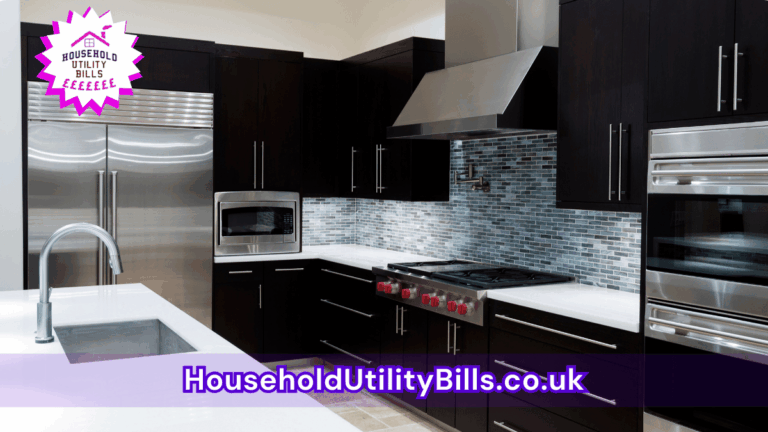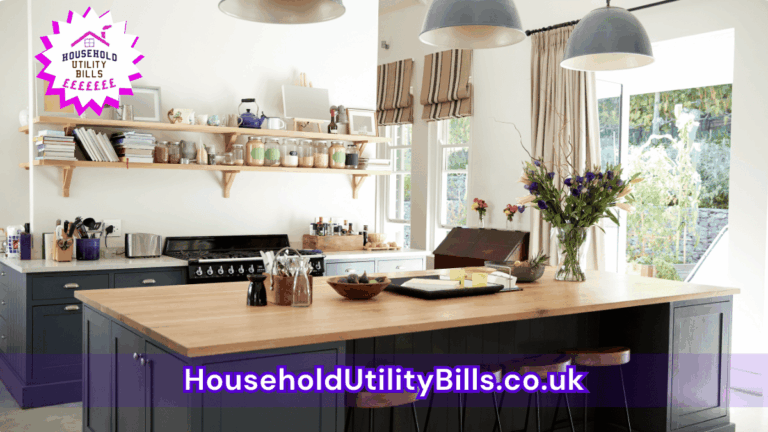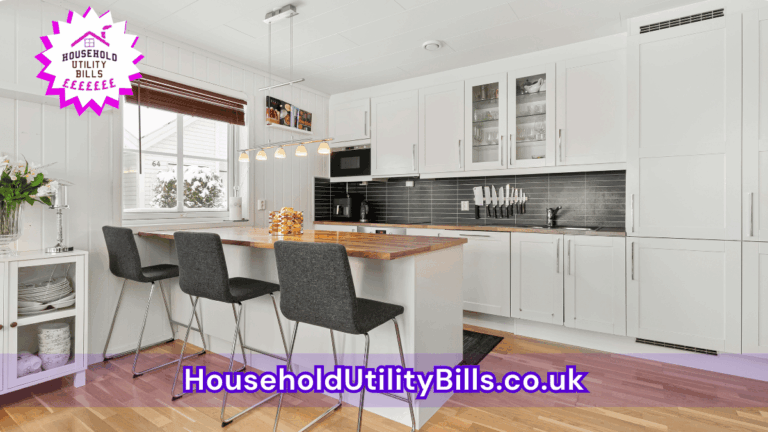

When considering how to choose warm lighting for kitchens, understanding the right balance is essential. Selecting the correct colour temperature can dramatically affect the atmosphere and functionality of your cooking space. Warm lighting, typically defined as having a colour temperature of around 2700K to 3000K, creates a welcoming and cosy environment.
To achieve the best results in your kitchen, ensure you assess the type of bulbs used, their placement, and additional lighting layers. Pay attention to factors such as dimmability and the number of fixtures, as these choices influence your energy consumption and overall comfort. Getting these aspects right can significantly save you money on energy bills while enhancing your cooking experience.

In practical terms, knowing how to choose warm lighting for kitchens can elevate your home’s aesthetic and influence social interactions. A poorly lit kitchen can lead to frustration and even poor cooking outcomes, while a well-lit space promotes enjoyable meal preparation and family gatherings. This holds tangible value in your day-to-day life.
1. how to choose warm lighting for kitchens: Understanding lighting temperatures
Many households assume that all light bulbs are the same, but lighting temperatures critically impact your kitchen’s atmosphere. Using bulbs above 3000K can make a space feel cold and uninviting, which is not ideal for cooking areas meant for warmth and comfort. Choose bulbs labelled as ‘warm white’ to avoid this common mistake that can lead to discomfort.
2. how to choose warm lighting for kitchens: Consider layering your lighting
Layering your lighting is key to achieving an inviting kitchen. Most people only think of overhead lights, neglecting task and accent lighting. Incorporate under-cabinet lights for preparing meals or pendant lights over islands. This strategy enhances functionality and creates a layered effect, contributing to the overall comfort of the kitchen atmosphere.
3. how to choose warm lighting for kitchens: Bulb types and energy costs
Different bulb types vary in energy efficiency and warmth. LED bulbs are often recommended as they provide warm lighting with lower energy consumption compared to incandescent options. While the initial investment may be higher, the long-term savings on energy costs can justify the switch. Be aware, however, that not all LED bulbs emit warm light, so check the specifications before purchasing.
- Best Washing Machine Cleaners For Bad Smells At Home: Freshen The Drum, Seal And Drawer Properly
- How To Air Dry Clothes Indoors Without Causing Damp Or Mould
- How Routines Support Organised Homes: A Complete Guide To Household Management
- How Insurers Manage Partial Claims: Costs And Considerations For Homeowners
- Virgin Media Cancellation Rights: Ofcom Fines Virgin Media £28 Million – What Broadband Customers Need To Know
People Also Ask…
How can I create a cozy atmosphere in my kitchen?
To create a cozy atmosphere, opt for warm white lighting and incorporate various light sources such as task lighting around work areas.
What types of bulbs are best for kitchen lighting?
LED bulbs labelled as ‘warm white’ are ideal for kitchen lighting, providing energy-efficient warm tones.
Should I use dimmable lights in the kitchen?
Yes, dimmable lights allow you to adjust the brightness depending on the time of day or activity, enhancing versatility in your kitchen.
Can I use smart bulbs for kitchen lighting?
Absolutely. Smart bulbs offer flexibility, allowing you to control brightness and colour temperatures according to your needs.
What lighting fixtures work best in small kitchens?
In small kitchens, choose compact pendant lights or under-cabinet lighting to maximise space while providing sufficient warmth and functionality.