
Last updated: 18 July 2026
Knowing how to air dry clothes indoors can help you reduce tumble-dryer use, protect your clothes and keep laundry costs under control. However, wet washing releases moisture into the air as it dries, so you must manage that moisture carefully.
Indoor air-drying does not automatically improve indoor air quality. Without sufficient ventilation, extraction or dehumidification, the additional moisture can settle on cold windows, walls and other surfaces. Over time, this may contribute to condensation, musty smells, damp and mould.
The good news is that you do not have to choose between lower energy use and a comfortable, well-managed home. The right room, sufficient airflow and a few sensible drying habits can make indoor laundry much easier to manage.
Your Laundry Is Plotting a Damp Takeover
One innocent-looking load can turn a spare room into Condensation Central. HUBS Indoor Laundry Moisture Action Plan helps you choose your setup, catch trouble early and see what your drying kit costs to run. See the money checks worth doing next:
- You can score each possible drying room against three needs: a door you can close, a way to remove moisture, and enough space to spread out one load
- You can record the room’s humidity before drying, when you hang the washing and once it is dry, along with drying time, weather and any condensation or musty smells
- If drying is slow or condensation appears, you can troubleshoot in order: check the spin cycle, garment spacing, airflow, moisture removal and room temperature, changing one thing at a time
Plus more… Get the full version in your inbox.
Free. Sent straight to your inbox. No marketing unless you choose it above.
How To Air Dry Clothes Indoors: Does Drying Clothes Indoors Cause Damp?
Drying clothes indoors can contribute to damp when the water released from the laundry cannot escape from the room.
As clothes dry, the water left in the fabric evaporates into the surrounding air. If that warm, moist air reaches a cold window, external wall or another cool surface, it can turn back into water droplets. This is condensation.
One load of washing may still contain a considerable amount of water after the washing machine has completed its spin cycle. That moisture has to go somewhere.
- Strategies For Success: How To Manage Chores Without Overwhelm In A Busy Household
- Enhancing Your Living Spaces: How To Improve Daily Comfort Through Simple Adjustments
- How Routines Reduce Household Chaos: A Complete Guide To Easing Daily Stress
- What Are The Common Causes Of Boiler Leaks And How Insurance Can Help
- Understanding Oil Leak Insurance: What Might Be Causing Unexpected Costs In Your Home
Drying washing indoors is more likely to cause problems when:
- several loads are dried at the same time;
- clothes are placed too closely together;
- windows and doors remain closed without mechanical ventilation;
- the airer is positioned against a cold external wall;
- washing is placed directly on radiators;
- the home is already experiencing high humidity;
- extractor fans or air vents are blocked or switched off;
- clothes remain damp for a long time.
Excess moisture can encourage mould, fungi and dust mites and may worsen the indoor environment, particularly for people affected by asthma, allergies or other respiratory conditions.
Government guidance explains that damp and mould can produce allergens, irritants, spores and other substances that may affect health. You can read the full guidance on the GOV.UK website.
How To Air Dry Clothes Indoors: Why Air Dry Clothes Instead Of Using A Tumble Dryer?
Air-drying still has several worthwhile advantages when it is managed properly.
It Can Reduce Electricity Use
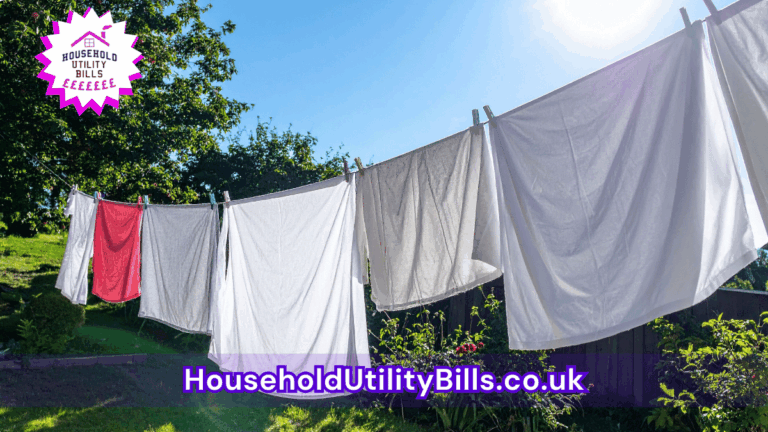
A tumble dryer is one of the more energy-intensive appliances used in many homes. Replacing some tumble-dryer cycles with outdoor or carefully managed indoor drying can therefore reduce electricity consumption.
Your actual saving will depend on:
- how often you normally use your dryer;
- the type and efficiency of the dryer;
- whether you use a dehumidifier or heated airer;
- how long the clothes take to dry;
- whether additional room heating is needed.
Air-drying is not completely free if you run a dehumidifier, fan or heated airer. Nevertheless, reducing unnecessary tumble-dryer cycles can still help you manage household energy use.
The Energy Saving Trust also recommends drying clothes outside where possible rather than automatically using a tumble dryer.
It Can Be Gentler On Clothes
Repeated exposure to high temperatures and tumbling can contribute to shrinking, fading and fabric wear. Air-drying is often suitable for clothes that need gentler treatment, although you should always follow the care label.
It Gives You An Alternative During Bad Weather
Outdoor drying is usually preferable when the weather allows. Unfortunately, rain, cold temperatures, limited outdoor space and restrictions on balconies or communal areas can make it impractical.
A safe indoor system means your laundry routine does not have to collapse whenever outdoor drying is unavailable.
1. How To Air Dry Clothes Indoors: Use The Fastest Suitable Spin Cycle
Before putting your washing on an airer, remove as much water as your clothes can safely tolerate.
A faster final spin can shorten drying time by extracting more water in the washing machine. Check the care labels first because delicate fabrics may require a lower spin speed.
You can also run an additional spin-only cycle after the wash has finished. This uses some electricity, but it may be more efficient than leaving very wet clothing to dry slowly in a humid room.
Shake each item before hanging it. This separates the fibres, reduces deep creases and helps air reach more of the fabric.
2. How To Air Dry Clothes Indoors: Choose The Right Room
The best indoor drying space is normally a contained room with reliable ventilation or extraction.
Suitable options may include:
- an utility room with ventilation;
- a bathroom with an effective extractor fan;
- a spare room with an opening window;
- a well-ventilated kitchen when it is not being used for cooking;
- another room where moisture can be contained and removed.
Avoid routinely drying large loads in your bedroom or main living area when another suitable space is available. These are rooms where you spend significant amounts of time, and spreading damp air through them can make the whole home feel colder and less comfortable.
If you use a bathroom, avoid drying clothes while the room is already full of moisture from baths or showers. Run the extractor fan and keep the internal door closed so the moisture does not travel into the rest of your home.
3. How To Air Dry Clothes Indoors: Keep The Moisture Contained
Leaving every internal door open may appear to improve airflow, but it can simply spread the moisture around your home.
Where practical:
- use one room for drying;
- close the door to that room;
- use the room’s extractor fan or window;
- avoid allowing damp air to travel into bedrooms and living areas.
Containing the moisture makes it easier for ventilation or a dehumidifier to remove it.
Do not block permanent air vents or trickle vents. These are designed to help stale and humid air leave your home.
4. How To Air Dry Clothes Indoors: Leave Space Between Clothes
Overloading an airer slows the drying process and creates pockets of damp air between garments.
Leave a visible gap between items wherever possible. Instead of folding large items over several rails, spread them across the airer so more of the fabric is exposed.
Try to:
- place heavier items around the outside of the airer;
- hang shirts and tops on hangers;
- turn thick waistbands and pockets out where possible;
- avoid placing one item directly over another;
- reposition clothes partway through drying;
- separate towels, jeans and bedding from lighter garments.
If you have several loads, drying them in stages is better than filling the room with multiple overcrowded airers.
5. How To Air Dry Clothes Indoors: Use Ventilation Or A Dehumidifier
You need a way for the released moisture to leave the room.
Using Natural Ventilation
When the outdoor air is reasonably dry, open a window or use the trickle vents. A short period of effective ventilation can be more useful than leaving a window barely open for many hours.
Keep the room door closed so the moisture is directed towards the open window rather than into the rest of your home.
Opening windows may be less effective during very wet or humid weather. It can also make the room uncomfortably cold during winter, so use your judgement.
Using An Extractor Fan
An extractor fan can remove moist air from a bathroom or utility area. Keep it running during drying where the system is suitable for prolonged use.
Make sure the fan and its cover are clean and that the ventilation outlet is not blocked.
Using A Dehumidifier
A dehumidifier removes water from the air and collects it in a tank or drains it away. It can be particularly useful when:
- you dry washing indoors regularly;
- the weather is too cold or wet for an open window;
- your home already experiences condensation;
- laundry takes an unusually long time to dry;
- you live in a smaller property with limited drying space.
When using a dehumidifier, close the windows and the room door so the machine is not continually trying to remove moisture from incoming outdoor air or the rest of the house.
Place the dehumidifier according to the manufacturer’s instructions and leave enough space around it for air to circulate. Empty and clean the water tank regularly.
The NHS guidance on damp and mould recommends keeping indoor humidity below 60% where possible.
6. How To Air Dry Clothes Indoors: Use A Fan For Airflow, Not A Portable Heater
Moving air helps moisture evaporate from the clothes and allows your ventilation or dehumidifier to remove it.
A standard fan can be positioned so that air passes across the drying rack. It does not need to blow directly at one garment from extremely close range.
Do not use a portable heater to dry clothes. Clothing placed on, against or too close to a heater can overheat and catch fire.
London Fire Brigade advises keeping heaters well away from clothing and never using them for drying clothes.
A fan and a dehumidifier can work well together because the fan moves damp air away from the fabric while the dehumidifier removes moisture from the room.
7. How To Air Dry Clothes Indoors: Avoid Drying Clothes Directly On Radiators
Putting wet washing directly over a radiator may appear to dry it quickly, but it can create several problems.
It may:
- release moisture into the room very quickly;
- stop heat circulating effectively;
- make the rest of the room harder to warm;
- increase condensation on nearby windows and walls;
- damage certain clothes;
- create a safety risk where items are unsuitable or positioned too close to a heat source.
Use a properly positioned clothes airer instead. Keep it away from walls, curtains, heaters and other potential hazards.
Do not cover electric heaters or portable heating appliances with laundry.
8. How To Air Dry Clothes Indoors: Monitor The Room’s Humidity
A small digital hygrometer can help you see how much indoor humidity changes while washing is drying.
Humidity naturally varies according to the weather, temperature and household activity. As a practical warning sign, take action when humidity remains around or above 60%, particularly when you also see condensation.
You may need to:
- increase ventilation;
- switch on an extractor fan;
- use a dehumidifier;
- reduce the amount of washing being dried;
- move the airer away from a cold surface;
- dry the thickest items separately.
Do not rely only on the humidity number. Wet windows, musty smells and patches of mould are signs that moisture is not being managed effectively.
9. How To Air Dry Clothes Indoors: Keep The Room Gently Warm
Clothes dry more slowly in a very cold room because cold air holds less moisture and cold surfaces are more likely to attract condensation.
You do not need to make the room excessively hot. A reasonably steady temperature, combined with ventilation or dehumidification, is more useful than briefly overheating the room and then allowing it to become cold again.
Remember that heating without ventilation does not remove the water. It simply allows more moisture to remain in the air until that air reaches a colder surface.
10. How To Air Dry Clothes Indoors: Dry Clothes As Soon As The Wash Finishes
Do not leave wet washing sitting inside the washing machine for long periods. Warm, damp fabric can quickly develop stale or musty smells.
Remove the load promptly, shake out each item and place it on the airer.
If freshly washed clothes repeatedly smell unpleasant, check for:
- residue in the washing-machine drum;
- mould around the door seal;
- detergent build-up in the drawer;
- a dirty filter;
- overuse of detergent or fabric conditioner;
- laundry being left wet for too long.
A washing-machine maintenance clean may be needed if bad smells continue after you improve your drying routine.
How To Air Dry Clothes Indoors: Drying Clothes Indoors During Winter
Drying clothes indoors in winter can be harder because homes are cooler, windows are opened less often and washing may be heavier.
A sensible winter routine is:
- Use the fastest safe spin cycle.
- Dry one load at a time.
- Choose one contained room.
- Space the clothes properly.
- Keep the internal door closed.
- Use an extractor fan or dehumidifier.
- Maintain a gentle, steady room temperature.
- Check windows and walls for condensation.
- Remove dry items promptly.
- Air the room after the washing has finished.
Opening a window for a brief, effective period may still help on a cold but dry day. During wet or highly humid weather, a dehumidifier may offer more controlled moisture removal.
How To Air Dry Clothes Indoors: Is A Heated Airer Safe To Use?
A heated airer can reduce drying time, but it still releases water from the clothes into the room. It does not remove moisture in the way a dehumidifier does.
Use it only according to the manufacturer’s instructions.
You should:
- place it on a stable surface;
- keep it away from curtains and furniture;
- avoid overloading it;
- use only a cover designed for that model;
- keep vents and controls unobstructed;
- maintain ventilation or use a dehumidifier;
- avoid leaving it running unattended unless the manufacturer confirms this is safe.
The fact that an airer is heated does not remove the need to manage condensation.
How To Air Dry Clothes Indoors: Air-Drying Versus Using A Tumble Dryer
Neither method is perfect for every household.
Air-Drying May Suit You When:
- you want to reduce tumble-dryer use;
- you can ventilate or dehumidify a suitable room;
- you are drying delicate clothes;
- you are not in a hurry;
- outdoor drying is unavailable.
A Tumble Dryer May Be More Practical When:
- your home already has persistent damp or mould;
- there is nowhere suitable to place an airer;
- you cannot ventilate the room adequately;
- washing needs to dry quickly;
- you regularly wash large family loads;
- someone in the household needs laundry changed frequently.
Modern condenser and heat-pump tumble dryers are designed to collect moisture rather than release it directly into the room. A vented dryer must be correctly vented outside.
Using a tumble dryer occasionally may be better than allowing several loads of wet washing to remain around a small, poorly ventilated home.
How To Air Dry Clothes Indoors: Warning Signs That Your Indoor Drying Routine Is Not Working
Review your drying method if you notice:
- water running down windows;
- black marks around window frames;
- damp patches behind the airer;
- mould on walls or ceilings;
- a persistent musty smell;
- clothes taking more than a day or two to dry;
- bedding or towels smelling stale;
- wardrobes or furnishings feeling damp;
- humidity remaining above 60%;
- the room feeling noticeably cold and clammy.
Do not assume that all damp is caused by laundry. Leaks, defective gutters, plumbing problems, penetrating damp, rising damp or inadequate property ventilation may also be responsible.
Tenants should report persistent damp, mould, leaks or ventilation faults to their landlord or housing provider. Lifestyle changes alone cannot repair a structural defect, and responsibility for investigating the underlying cause should not automatically be placed on the person living in the home.
How To Air Dry Clothes Indoors: Quick Indoor Clothes-Drying Checklist
Before Drying
- Run the fastest spin suitable for the fabric.
- Remove the washing promptly.
- Choose a contained, ventilated room.
- Check that vents and extractor fans are clear.
While Drying
- Leave gaps between garments.
- Keep the airer away from cold walls.
- Close the room door.
- Open a window, run the extractor fan or use a dehumidifier.
- Use a fan for additional airflow if needed.
- Never use a portable heater to dry clothing.
- Check for condensation.
After Drying
- Put dry clothes away promptly.
- Air the room.
- Empty and clean the dehumidifier.
- Wipe away condensation.
- Investigate recurring musty smells or mould.
How To Air Dry Clothes Indoors: Creating A Calmer Laundry Routine At Home
Laundry should not leave your home feeling damp, cluttered or difficult to manage.
A designated drying area can help contain both the washing and the moisture. Keep your airer, hangers, pegs and laundry basket together so you do not have to assemble a new drying system every time it rains.
Drying one well-spaced load in a ventilated room is generally easier to manage than scattering wet clothes over radiators, doors and furniture throughout the home.
The aim is not simply to get the washing dry. It is to do so without undermining the warmth, comfort and air quality of the place where you live.
Learning how to air dry clothes indoors is about managing moisture rather than simply finding somewhere to hang wet washing.
Use a strong but suitable spin cycle, leave space between garments and choose one room where the moisture can be contained. Then remove that moisture through ventilation, extraction or a dehumidifier.
Done properly, indoor air-drying can help you reduce tumble-dryer use while keeping your home warm, fresh and comfortable. Done without ventilation, it can contribute to condensation and mould.
The safest routine is the one that protects your clothes, your household budget and the calm, healthy home you are working to maintain.
How To Air Dry Clothes Indoors: People Also Ask…
How Can I Dry Clothes Indoors Without Causing Damp?
Use the highest suitable washing-machine spin speed, place the clothes on a well-spaced airer and dry them in one contained room. Keep the internal door closed and use an open window, extractor fan or dehumidifier to remove the moisture released by the laundry.
Is It Bad To Air Dry Clothes Inside?
Air-drying clothes inside is not necessarily bad, but it increases the amount of moisture in the room. Problems can develop when that moisture is not removed and begins condensing on cold windows, walls or ceilings.
Should I Open A Window When Drying Clothes Indoors?
Opening a window can help when the outdoor air is dry enough. Keep the room door closed so the moisture does not spread. When using a dehumidifier, close the window so the machine can concentrate on drying the room effectively.
What Is The Fastest Way To Air Dry Clothes Indoors?
Use a fast but fabric-safe spin cycle, leave gaps between garments and combine good airflow with moisture removal. A fan used alongside a dehumidifier can help clothes dry more quickly without relying on a portable heater.
Where Is The Best Place To Dry Clothes Indoors?
A ventilated utility room, bathroom or spare room is usually preferable to a bedroom or main living area. The room should have an opening window, effective extraction or space for a dehumidifier.
Does Drying Clothes Indoors Increase Humidity?
Yes. Water evaporates from the wet fabric and enters the surrounding air. Ventilation, extraction or a dehumidifier is needed to stop that moisture accumulating inside your home.
Can I Dry Clothes On A Radiator?
It is better to use a clothes airer. Covering a radiator can restrict heat circulation and release moisture rapidly into the room. Never place clothing on a portable heater or use one as a clothes dryer.
Is A Dehumidifier Good For Drying Clothes?
A dehumidifier can be useful because it removes moisture from the room while the clothes dry. Use a laundry setting where available, follow the manufacturer’s instructions and keep the room’s doors and windows closed while it is running.
Is Air-Drying Cheaper Than Using A Tumble Dryer?
Air-drying can reduce electricity use, particularly when natural ventilation is sufficient. The exact saving depends on whether you also use heating, a fan, a heated airer or a dehumidifier.
Your Laundry Is Plotting a Damp Takeover
One innocent-looking load can turn a spare room into Condensation Central. HUBS Indoor Laundry Moisture Action Plan helps you choose your setup, catch trouble early and see what your drying kit costs to run. See the money checks worth doing next:
- You can score each possible drying room against three needs: a door you can close, a way to remove moisture, and enough space to spread out one load
- You can record the room’s humidity before drying, when you hang the washing and once it is dry, along with drying time, weather and any condensation or musty smells
- If drying is slow or condensation appears, you can troubleshoot in order: check the spin cycle, garment spacing, airflow, moisture removal and room temperature, changing one thing at a time
Plus more… Get the full version in your inbox.
Free. Sent straight to your inbox. No marketing unless you choose it above.