
Understanding how insurers manage partial claims can seem tricky, especially for homeowners navigating the complex world of insurance. Partial claims occur when not all aspects of a policyholder’s claim are approved, leading to confusion and frustration. This situation often leaves homeowners unsure about their rights and next steps.
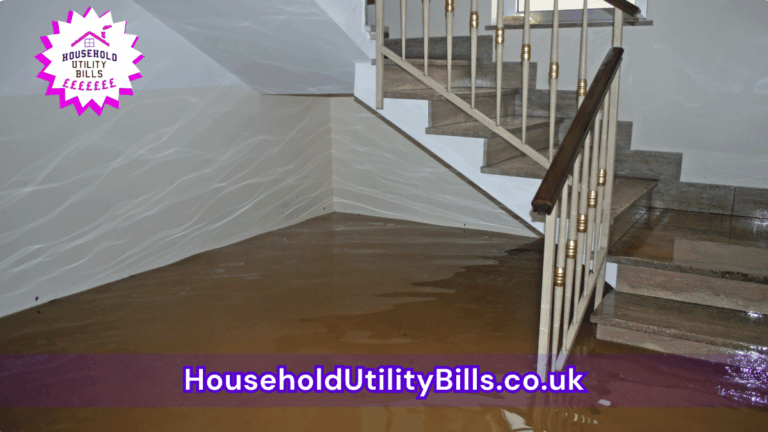
In real homes, when unexpected incidents happen—like a burst pipe—the insured homeowners usually expect to be fully covered. Instead, they often find that only part of their claim is accepted. This commonly leads to a stressful and unsatisfactory experience, especially when the damage has already caused significant disruption.
This situation persists because many people are unaware of how insurance companies assess claims or why they sometimes deny parts of them. Often, homeowners assume their policies cover everything without checking the details. This lack of knowledge can lead to dissatisfaction and financial strain when it comes to managing repairs and replacements.
Your Claim Got Chopped — and the Repair Bill Got the Big Slice
Your insurer’s partial payment has left the repair bill holding the bag. HUBS Partial Claim Challenge Checklist helps you pinpoint what was declined, organise evidence and make a clear written challenge. See the money checks worth doing next:
- Request an item-by-item explanation of what was accepted or declined and the policy wording relied on
- Match each disputed item to dated photos, receipts, repair estimates or other relevant evidence
- Send a clear written review request, then use the insurer’s formal complaints process if needed
Plus more… Grab the practical version now.
Free. Sent straight to your inbox. No marketing unless you choose it above.
- What Causes Burst Pipe Claims: Common Issues You Should Check At Home
- How Roof Damage Claims Explained Can Affect Your Home Insurance Premiums: Understanding The Financial Implications
- Understanding Oil Leak Insurance: What Might Be Causing Unexpected Costs In Your Home
- How Homeowners Can Navigate Ev Charging Electricity Costs: Strategies To Avoid Unexpected Expenses
- Is Boiler Cover Worth It: How To Reduce The Risk Of Unexpected Repair Costs
1. How the System Works Behind Partial Claims
Insurance operates on a system of risk management. When you pay monthly premiums, you essentially share the risk of unfortunate events with others. However, not all incidents are covered equally. Insurers have specific guidelines about what constitutes a valid claim. They rely on various factors, including the type of damage, existing conditions in the home, and even local laws governing insurance policies. Understanding these factors is crucial for homeowners, as they can directly influence how the insurer categorises claims.
When you submit a claim, an insurer evaluates the damage based on your policy’s terms. They may send an adjuster to inspect the damage and determine the cost of repairs. If the adjuster finds that the damage falls within the insured perils, a payment is made according to the terms of your policy. However, if only part of the damage is covered, you’ll receive only a partial payment, which can leave you scrambling to cover the remaining costs.
2. Why Problems Happen with Partial Claims
Problems often occur when claims involve multiple types of damage or when homeowners misinterpret their coverage. Insurers may consider some damages as consequences of ongoing neglect or wear and tear, which aren’t typically covered under standard home insurance policies. Common misunderstandings about coverage create additional stress for homeowners when they face unforeseen repairs.
Another reason for partial claims is the complexity of insurance policies themselves. Many policies include specific exclusions or stipulations about coverage amounts. Homeowners may not fully grasp these details when they initially purchase their policies. As a result, they could be blindsided when an event occurs and they’re informed that certain damages aren’t fully compensated.
3. Common Misunderstandings About Coverage
One frequent misunderstanding is that all types of water damage are covered. This isn’t always the case, as insurance often distinguishes between sudden incidents, like a burst pipe, and gradual leaks, which may not be covered. Similarly, many believe that any and all repairs will lead to full reimbursement, not realising that insurance companies determine payouts based on the policy’s limitations.
Additionally, homeowners may think that having insurance means they won’t incur any costs. However, deductibles will apply, and if the total costs exceed what is agreed upon in the policy, the homeowner is responsible for the difference. This leads to unexpected expenses, which can be frustrating and confusing.
4. Costs, Trade-offs, and Risks of Partial Claims
The financial implications of partial claims can be significant. When only part of a claim is accepted, the homeowner must cover costs out of pocket. The immediate financial burden can lead to longer-term issues, such as increased debt or the inability to afford necessary repairs. Particularly in the UK, where home repairs can be costly, this situation can lead to substantial stress.
Homeowners also need to consider the time cost involved. Navigating the claims process can be lengthy, often requiring numerous conversations with insurers and potentially prolonged periods without resolving the damage. If a claim takes too long, homeowners may face further problems, such as mould from water damage or structural issues that worsen over time.
5. Realistic Household Decisions to Make
Being informed about your policy is crucial. Read through your insurance documents carefully to understand what is and isn’t covered. Make a point to ask questions if you’re unclear about specific terms. It’s better to know before you need to file a claim than to learn the limitations in a stressful situation. Additionally, consider keeping an updated inventory of your belongings along with receipts for expensive items. This record can be helpful for adjusting claims.
Regularly updating your home maintenance and fixing small issues before they escalate can also help. Proactively taking care of your home can mean you’re less likely to face significant claims that might be only partially covered, saving you from potential headaches in the long run.
6. Prevention Through Understanding
By understanding how insurers manage partial claims, you can avoid common pitfalls. Knowledge of your policy details will empower you to make informed decisions. Educating yourself about the claims process can demystify it and help set realistic expectations regarding payouts and timelines.
Consider obtaining a second opinion from a claims adjuster if you believe your claim was unfairly processed. Knowing your rights can give you leverage in negotiations with your insurer. Taking these steps will ensure you’re better prepared when something goes wrong.
People Also Ask…
How do insurers decide what is a partial claim?
Insurers assess claims based on the specific terms of your policy, determining what damages are covered and whether they fall under the definitions of the event that caused the loss.
What should I do if my claim is partially denied?
If your claim is partially denied, review your policy to understand the basis for the denial, and consider appealing the decision if you believe additional damages should be covered.
Why are some claims only partially paid?
Some claims may only be partially paid due to exclusions in the policy, circumstances related to wear and tear, or because the damages were deemed to be outside of what is covered.
Can I claim for repairs not covered by insurance?
Yes, you can pay for repairs yourself, but it’s essential to keep documents and evidence of the damage for any future claims or related issues.
Is it worth getting additional coverage for my home?
Additional coverage can be beneficial, especially for valuables or areas prone to specific risks. It’s advisable to assess your individual needs and the value of potential risks.
How often should I review my insurance policy?
It’s good practice to review your insurance policy annually or after significant home improvements to ensure it still meets your needs.
Can I switch insurers after a claim?
You can switch insurers after a claim, but be aware that it could impact your premiums. It’s worthwhile to shop around for better rates and coverage.
Should I consult a professional before filing a claim?
Consulting a professional can provide valuable insights into whether filing a claim is the best course of action, considering potential costs and outcomes.
Your Claim Got Chopped — and the Repair Bill Got the Big Slice
Your insurer’s partial payment has left the repair bill holding the bag. HUBS Partial Claim Challenge Checklist helps you pinpoint what was declined, organise evidence and make a clear written challenge. See the money checks worth doing next:
- Request an item-by-item explanation of what was accepted or declined and the policy wording relied on
- Match each disputed item to dated photos, receipts, repair estimates or other relevant evidence
- Send a clear written review request, then use the insurer’s formal complaints process if needed
Plus more… Grab the practical version now.
Free. Sent straight to your inbox. No marketing unless you choose it above.