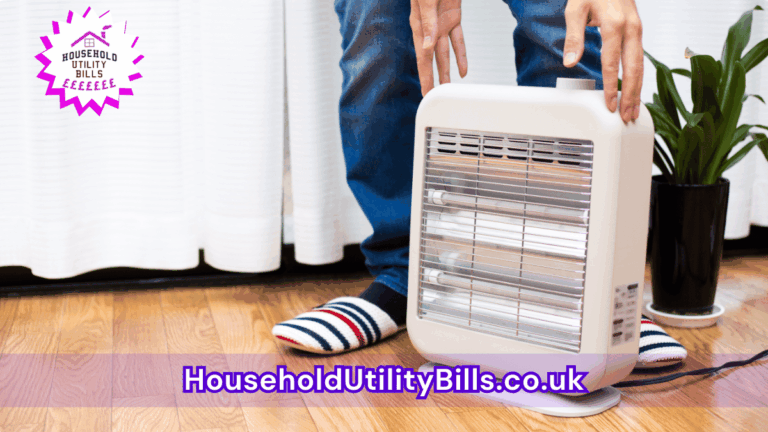


Homeowners heating upgrade planning is crucial when you are considering energy-efficient options for your property. The right upgrade can drastically improve your comfort while lowering your energy bills. However, many make choices without fully considering all aspects involved.
To make well-informed decisions, you should thoroughly research different heating systems, compare energy ratings, and assess installation costs. This will help ensure you get the best value for your investment and avoid unforeseen expenses down the line.
This planning is essential as it can mean the difference between consistently high energy bills and a more manageable monthly budget. By understanding what options are available and how they impact your living situation, you can make choices that ultimately lead to savings and enhanced comfort.
1. homeowners heating upgrade planning: Understand energy ratings and their impact
Energy ratings provide valuable insights into the efficiency of heating systems. Many homeowners overlook how much energy efficiency translates to savings on bills. When planning upgrades, ensure you check the energy label on devices and systems to avoid those with poor ratings that could lead to increased running costs.
2. homeowners heating upgrade planning: Assess installation costs and potential savings
The initial installation cost is only one part of the equation. Many people assume that a higher upfront cost guarantees lower energy bills. In reality, system efficiency plays a large role. Calculate the total cost of ownership over several years, considering potential savings from energy efficiency to get a clearer picture of what you can afford.
3. homeowners heating upgrade planning: Don’t neglect maintenance needs
Many homeowners forget to plan for the ongoing maintenance required for more efficient systems. Regular maintenance is crucial for keeping your heating system running efficiently and can prevent larger expenses later. Always factor in these future costs when deciding on any heating upgrades.
- Energy Efficient Home Renovation: Key Decisions And Common Mistakes
- Home Heating Technology Comparison: A Complete Household Guide For Energy Efficiency
- Insulation Return On Investment: A Complete Household Guide To Energy Efficiency
- How Claim Disagreements Are Resolved By Insurers: Key Decisions And Common Mistakes
- Energy Price Cap 2026: October Rise Confirmed – What You’ll Pay From 1 October
People Also Ask…
How can I improve my home’s energy efficiency?
Improving energy efficiency can be achieved by upgrading your heating system, insulating your home, and investing in double glazing.
What should I consider when upgrading my heating system?
Consider energy efficiency ratings, installation costs, and the system’s specific maintenance needs.
Why is regular maintenance important for heating systems?
Regular maintenance ensures your heating system operates efficiently, reducing the risk of breakdowns and expensive repairs.
Is it worth investing in a more expensive energy-efficient heating system?
Yes, a higher upfront cost can lead to significant savings on energy bills over time, depending on the system’s efficiency.
When should I replace my heating system?
Consider replacement if your system is over 15 years old, shows signs of inefficiency, or requires frequent repairs.