

Homeowners reducing standby electricity consumption can significantly lower their energy bills. By addressing this overlooked aspect of home energy use, you can make a noticeable impact on your overall expenses. Understanding how standby power works and taking action to reduce it will help you save money without compromising convenience.
To begin with, you should assess which devices in your home are using power when not in active use. This means checking everything from televisions to kitchen appliances. By unplugging these devices or using smart power strips, you can cut down on these unnecessary costs. Ultimately, you’ll notice a reduction in your monthly energy bills.
This is relevant for you because many homeowners overlook standby power as a source of wasted energy. Every penny counts, especially with rising living costs. Simple changes in household habits can lead to substantial savings, making a difference in your finances over time.
1. homeowners reducing standby electricity consumption: Understanding the Hidden Costs
A common assumption is that standby power use is negligible. Many people do not realise just how much energy is wasted in standby mode. Devices such as computers, televisions, and chargers can continue to draw power even when they are turned off, leading to increased costs on your energy bill. In fact, studies indicate that this can amount to as much as £30 a year for the average household. Evaluating how often devices are left on standby can help you battle these hidden costs effectively.
2. homeowners reducing standby electricity consumption: Identifying Key Devices
To reduce standby consumption, first identify which of your home devices are culprits. Common offenders include gaming consoles, DVD players, and legacy appliances that do not have energy-saving features. Check your energy provider’s website for tools or tips on measuring power consumption for each device. By knowing what specifically contributes to your standby usage, you can make informed decisions about what to unplug or switch off.
3. homeowners reducing standby electricity consumption: Taking Action
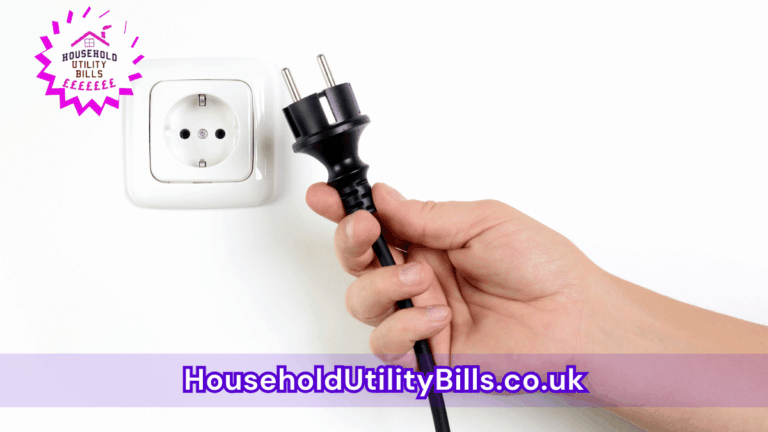
Once you’ve identified energy-hungry devices, consider implementing a few practical solutions. Use smart power strips that cut off power to connected devices after a period of inactivity. Moreover, unplug chargers and other devices when they are not in use; even if they are not connected to a device, they can still consume power. Additionally, try to establish new household habits, such as fully switching off appliances rather than leaving them on standby. These straightforward actions can lead to significant energy savings over time.
- Energy Efficient Home Renovation: Key Decisions And Common Mistakes
- Home Heating Technology Comparison: A Complete Household Guide For Energy Efficiency
- Energy Price Cap 2026: October Rise Confirmed – What You’ll Pay From 1 October
- How Insurers Handle Escalation Complaints: Costs, Causes, And Practical Solutions
- How Claim Disagreements Are Resolved By Insurers: Key Decisions And Common Mistakes
People Also Ask…
How can I find out which appliances are using standby power?
You can use a plug-in energy monitor to check which appliances consume power in standby mode. Many energy suppliers also provide tools to help track your electricity usage.
What is standby power?
Standby power is the energy consumed by appliances when they are switched off but still plugged in. This can happen through remote controls or built-in features that keep devices ready for immediate use.
Why should I care about standby consumption?
Caring about standby consumption helps you save money on your energy bill and reduces your environmental impact by lowering overall energy use.
Can I eliminate standby power completely?
While you can’t completely eliminate standby power, you can significantly reduce it by unplugging devices or using smart technology to control power flow.
When is the best time to assess my standby consumption?
The best time to assess standby consumption is when you are reviewing your energy bills or during energy audits, typically once a year.