


Last updated: 12 June 2026
Your energy bill is high despite low usage because of several factors that often go unnoticed. These can include standing charges, supplier fees, and how your energy usage is calculated. Understanding these issues can help you identify why you’re paying more than you expect.
To address this, you should regularly review your energy plan and investigate any hidden costs in your bill. By comparing different suppliers, you may find a better deal that reflects your actual usage more accurately, helping to reduce your household costs.
This situation is relevant to you as it directly impacts your budget and could lead to unnecessary financial strain. Knowing the reasons behind a high energy bill despite your low consumption can empower you to make informed decisions about your energy usage and provider.
Your Energy Bill Is Gobbling Cash While You Barely Use Anything
A standing charge, an estimated reading or a muddled account balance can make a low-use home look surprisingly expensive. HUBS High Energy Bill Detective Sheet helps you trace the numbers before you switch or overlook a billing mistake. Find the details worth checking before you act:
- Compare the bill dates and total kWh with the same period last year; judge usage by kWh, not just the amount in pounds
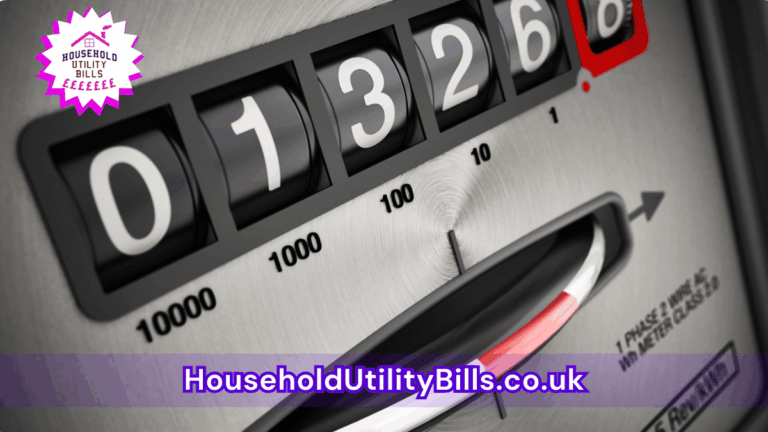
- Check whether each meter reading is marked actual, customer or estimated, then compare it with your meter and send your supplier a current reading if they do not match
- Confirm the meter serial number and, if you have a multi-rate meter, check that each register is billed at the correct rate
Plus more… Grab the full breakdown now.
Free. Sent straight to your inbox. No marketing unless you choose it above.
1. energy bill high despite low usage: Understanding standing charges
A common misconception is that your energy bill is solely based on how much energy you consume. Standing charges can significantly contribute to your bill, regardless of your actual usage. These charges are fixed costs that cover the supply of energy to your home and can remain constant from month to month.
2. energy bill high despite low usage: Supplier fees and hidden costs
Another factor is the additional fees that your energy supplier may impose. These can include administration costs or contracts with minimum commitments. Often, households overlook these fees, assuming they are only paying for the energy consumed. It’s essential to read the fine print of your energy supplier’s terms.
3. energy bill high despite low usage: Reviewing your energy plan
Taking time to review your energy plan can help clarify why your bill is higher than expected. Switching suppliers is a viable option; many companies offer better rates and fewer hidden fees. Regularly comparing prices and plans can keep your costs down and ensure you’re not overpaying for energy.
- Home Energy Planning Guide: Understanding Costs, Causes, And Practical Solutions
- How Energy Tariff Switching Advice Can Help You Lower Standing Charges This Year
- What Are Insulation Grants? The Hidden Savings You Could Be Missing On Your Energy Bills
- Why Some Homes Stay Tidy Effortlessly: Complete Household Guide To Lasting Order
- Understanding Historical Claims Data: What Homeowners Should Know
People Also Ask…
How can I reduce my energy bill without changing my usage?
You can reduce your energy bill by switching suppliers, reviewing your plan, and checking for any discounts or offers available.
What should I look for in an energy bill?
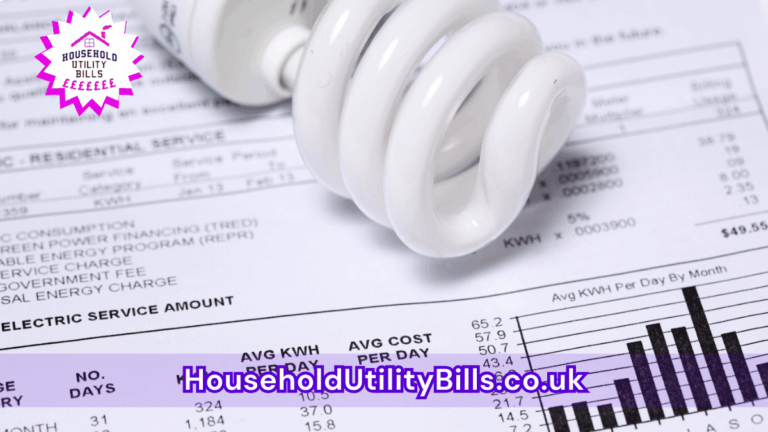
Look for standing charges, supplier fees, and any additional costs that may not relate directly to your energy usage.
Why is it important to compare energy suppliers?
Comparing energy suppliers can help you find better rates and services, ensuring you only pay for what you use.
Can I negotiate my energy bill with my provider?
Yes, you can contact your provider to discuss your bill or any potential discounts based on your loyalty or payment history.
Is it worth switching energy providers frequently?
Switching energy providers can save you money, especially if you find a plan that better suits your usage and budget.
When should I review my energy plan?
You should review your energy plan annually or whenever you notice a significant increase in your bill.
Your Energy Bill Is Gobbling Cash While You Barely Use Anything
A standing charge, an estimated reading or a muddled account balance can make a low-use home look surprisingly expensive. HUBS High Energy Bill Detective Sheet helps you trace the numbers before you switch or overlook a billing mistake. Find the details worth checking before you act:
- Compare the bill dates and total kWh with the same period last year; judge usage by kWh, not just the amount in pounds
- Check whether each meter reading is marked actual, customer or estimated, then compare it with your meter and send your supplier a current reading if they do not match
- Confirm the meter serial number and, if you have a multi-rate meter, check that each register is billed at the correct rate
Plus more… Grab the full breakdown now.
Free. Sent straight to your inbox. No marketing unless you choose it above.