Last updated: 12 June 2026
A home energy planning guide will help you understand how to manage your household energy use better. Many people often feel overwhelmed by rising energy costs and the complexities of energy supply. In real homes, families frequently struggle to balance energy consumption with budget constraints, leading to stress and anxiety over bills.
This situation usually arises from a lack of awareness about how energy systems work and the unnecessary assumptions made about energy usage. With energy prices fluctuating wildly, households often miss opportunities to cut costs and improve their energy efficiency, perpetuating a cycle of financial strain.
To break this cycle, it’s essential to grasp not just the direct costs of energy, but also the system behind it. Understanding the broader context will prepare you for realistic decisions about energy consumption and future-proof your home against rising bills.
1. How Home Energy Systems Work
Energy systems in the UK primarily involve a mix of energy sources that supply power to homes. The main providers include gas, electricity, and renewable sources like solar and wind. Understanding how these sources interact can illuminate why costs fluctuate and how they can be managed effectively.
Electricity typically comes from power plants using gas, coal, or renewables. The electricity travels through a network of cables to your home. Gas, on the other hand, is often used for heating and cooking. Each of these energy types has a cost associated with it, which can change based on global commodity prices, local supply and demand, and government policies.
By learning how these systems operate, you can start to identify where energy is being consumed most. This understanding makes it easier to focus on areas like heating efficiency, appliance use, and insulation that can lead to significant savings.
2. Common Cost Issues in Households
One reason for high energy bills is the failure to notice inefficient appliances or poor insulation. Many households unknowingly use older models that consume more energy. Additionally, homes with inadequate insulation lose heat faster, leading to increased heating demands in colder months.
This problem becomes self-sustaining: residents may not notice incremental increases in their bills until they become a significant drain on finances. By then, it can feel challenging to address the root causes, leading to a cycle of frustration and avoidance.
Awareness of these issues is step one. Once you recognize the common pitfalls, you can make informed choices about upgrades or replacements, which can reduce energy costs over time.
3. Why Misunderstandings Exist
Many people assume that if their energy bills are high, it’s simply due to lifestyle choices or external factors like weather. However, underlying systemic issues often contribute to costs. For example, behaviour such as leaving lights on or using outdated appliances can play a role, but they are not the only factors.
Some advanced energy tariffs offer savings but can be confusing. Consumers often don’t fully understand how these tariffs work, which leads to a misunderstanding of their potential benefits and costs. Inadequately managed energy usage can therefore result in missed savings opportunities.
By challenging these assumptions and digging deeper, you can start to find strategies that actually help reduce bills rather than feeling like you are stranded with high costs.
4. The Role of Energy Suppliers
Energy suppliers play a significant role in how costs are structured. They operate within a market influenced by global prices, local competition, and government regulations. Suppliers often create offers and tariffs that may initially seem appealing but can be misleading if you don’t read the fine print.
Switching suppliers can lower your costs, but it’s essential to understand whether the switching process will yield long-term benefits. The trade-off here lies in the time and effort involved in researching different offers, which some may find burdensome.
Engaging with your supplier and asking targeted questions can sometimes reveal hidden rates or fees, which ultimately helps you make better decisions about how to manage your energy consumption.
5. The Impact of Energy Efficiency
Energy efficiency plays a crucial role in reducing costs. Houses that are energy efficient consume less energy, which leads to lower bills. This can involve small changes, such as using energy-efficient light bulbs, or larger investments, like better insulation or new double-glazed windows.
Though the upfront costs might seem daunting, the long-term savings are generally worth it. Improved energy efficiency not only reduces bills but also makes your home more comfortable and environmentally friendly.
Many government incentives and schemes are available to assist with the costs of improving your home’s energy efficiency, but awareness of these options is key to tapping into available resources.
6. Practical Steps for Households
Addressing high energy bills involves practical actions. Here are some steps that can help you put your home energy planning guide into practice:
- Conduct an energy audit of your home to identify areas of waste.
- Consider upgrading to energy-efficient appliances if you have older models that consume more energy.
- Look into installing better insulation to keep heat in during winter and cool air in during summer.
- Regularly check in on your energy supplier for better deals and tariffs.
Each of these actions might seem small on its own, but when combined, they can lead to significant savings over time.
- How Energy Tariff Switching Advice Can Help You Lower Standing Charges This Year
- How Energy Tariff Switching Can Lower Your Household Expenses Over Time: The Long-Term Impact On Your Energy Bills
- What Are Insulation Grants? The Hidden Savings You Could Be Missing On Your Energy Bills
- Understanding How To Improve Household Flow: What Might Be Causing Unnecessary Clutter And Stress
- How Budgeting Techniques Can Help Maintain Balance In Home Life: What To Check First For Unexpected Expenses
7. Understanding Your Energy Contracts
Reading your energy contract can feel overwhelming, but understanding its components is vital. Contracts can vary widely in terms of fixed rates, variable rates, and fees. Knowing how these work can help you assess the best value for your household.
Many people stay with their current suppliers simply out of habit, not realising that they might find a cheaper or more suitable option elsewhere. Being informed allows you to make a clear decision on the provider that best meets your needs.
Check for what happens at the end of your contract too. Some customers roll into a standard variable rate which may be higher than what they were previously paying.
8. Future-Proofing Your Home Energy Needs
Looking ahead, consider ways to make your home more adaptable to future changes in energy supply and costs. The shift towards renewable energy is gaining momentum. Installing solar panels, for instance, might reduce your reliance on grid electricity.
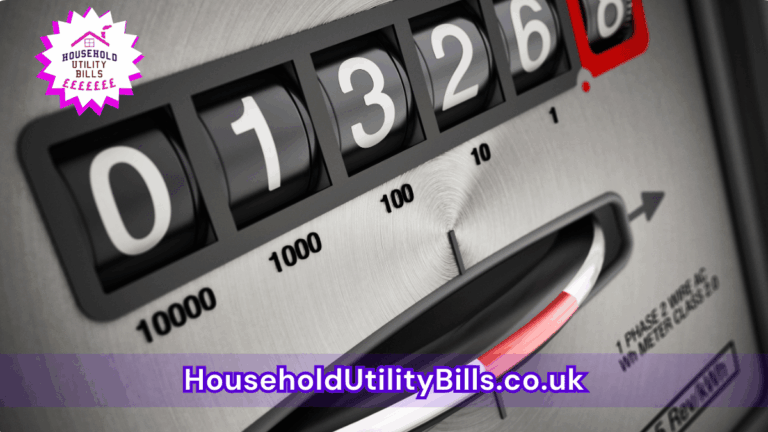
Understanding emerging technology in the energy sector, such as smart meters and battery storage systems, can also help you stay ahead. These advancements often come with initial costs that can result in long-term savings and efficiency.
People Also Ask…
How can I reduce my energy bills this winter?
You can reduce your energy bills by improving your home insulation, using energy-efficient appliances, and being mindful of your energy usage, such as turning off lights and unplugging devices.
What should I look for when choosing an energy supplier?
When choosing an energy supplier, compare their tariffs, any associated fees, customer reviews, and the range of services they offer to find the best fit for your needs.
Is it worth investing in solar panels?
Investing in solar panels can be worthwhile as they can reduce your reliance on grid electricity and lead to significant savings over time, depending on your energy needs and local incentives.
Can I switch my energy supplier during a contract?
Yes, you can switch your energy supplier during a contract, but be aware of any exit fees that might apply. Check your contract for details.
Why am I seeing different energy bills each month?
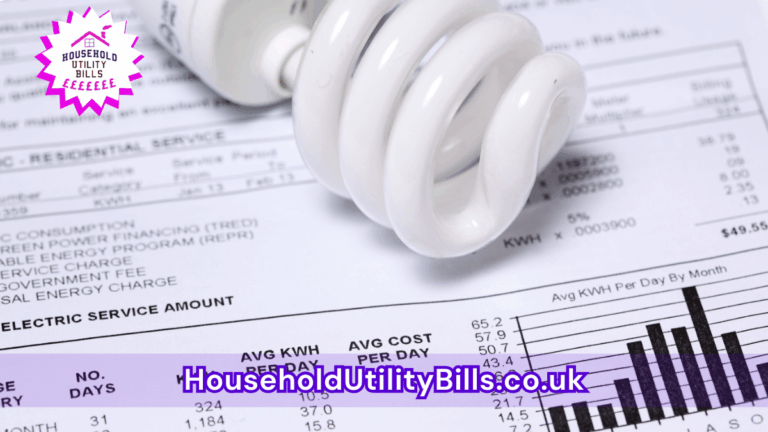
Variable energy bills can result from changes in energy use, fluctuations in market prices, or seasonal variations. Understanding these factors can help explain the discrepancies.
Should I use a smart meter?
Using a smart meter is beneficial as it provides real-time feedback on your energy use, helping you identify patterns and potentially reduce costs.
What are the first steps I can take to make my home more energy-efficient?
Start by conducting an energy audit, replacing incandescent bulbs with energy-efficient ones, and sealing drafts in windows and doors to improve insulation.
When is the best time to switch energy suppliers?
The best time to switch energy suppliers is typically during energy price hikes or when you notice a better tariff that suits your usage, often during major changes in seasons.