Last updated: 12 June 2026
Improving home warmth is essential to maintain a comfortable living space during colder months. Many household habits significantly influence how warm your home feels and how much you pay for heating. By making simple changes, you can enhance comfort while reducing energy costs.
To achieve this, you should evaluate your heating practices, insulation quality, and the efficiency of your appliances. Adjusting these factors can lead to long-term savings, better energy efficiency, and a more pleasant atmosphere in your home. Even minor adjustments can lead to substantial benefits.
This topic is relevant because many people overlook how their daily routines and home habits impact their energy bills and warmth. Understanding these connections can empower you to make informed decisions that enhance your home’s comfort while being financially beneficial.
1. improving home warmth: Understanding Heat Loss
Heat loss is a primary reason why homes feel cold and require more energy to stay warm. Most households believe that heating systems alone are responsible for maintaining warmth, overlooking the role of insulation and drafts. Up to 25% of heat can escape through uninsulated walls and attics, significantly increasing energy bills.
Addressing heat loss involves assessing your insulation. Start by checking your loft and walls and consider adding or upgrading insulation if necessary. This might require an investment upfront, but it can lower your bills in the long run and contribute to a consistently warm home.
2. improving home warmth: Efficient Heating Systems
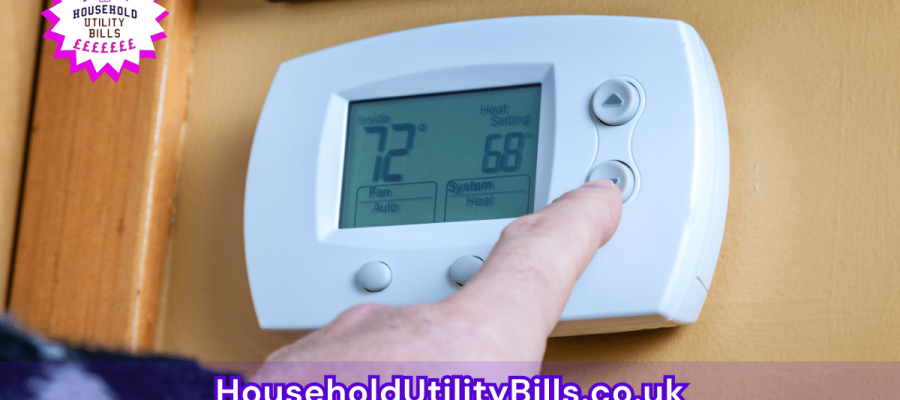
Many people assume that setting their thermostat higher will warm the house more quickly, but this is a common misconception. It can actually lead to unnecessary energy costs. Modern heating systems work efficiently within specific temperature ranges, and setting the thermostat too high can waste energy.
Instead of cranking up the thermostat, consider programming your heating system. Set it to a comfortable temperature when you’re at home and lower it when you’re out. This simple change optimises your heating without compromising comfort, enhancing energy efficiency.
3. improving home warmth: Draft-Proofing Your Home
Many households fail to recognise the impact of drafts on maintaining warmth. Small gaps around doors and windows allow cool air to enter and warm air to escape, making your heating system work harder and pushing up your energy bills. Most people overlook these areas and miss an easy solution.
To combat this, carefully inspect your home for drafts. Use draft excluders on doors and windows, and seal any gaps with caulk or weatherstripping. These small efforts can have a noticeable effect on your comfort and heating needs.
4. improving home warmth: Managing Appliances
Your household habits regarding appliances can also impact warmth. Some assume that leaving appliances on full power is the best way to ensure comfort, but this can be wasteful. In fact, many appliances, like radiators, need to be maintained to operate efficiently.
Ensure that your radiators are dust-free and unobstructed, as this allows for better heat distribution. If you use electric heaters, make sure they are energy efficient. Switching to energy-efficient models can help you save on bills while keeping your home warm.
- What Most People Miss About An Energy Usage Spike: The Hidden Costs On Your Monthly Bills
- What To Expect During A Smart Meter Engineer Visit: How It Affects Your Energy Bills And Savings
- How Heating One Room Only Can Lead To Higher Energy Costs Over Time
- Why Your House Feels Cluttered Even When Clean: What Most People Miss About Everyday Organisation
- Home Life Feels More Challenging Than Expected: What Most People Miss About Hidden Costs
People Also Ask…
How can I make my home warmer in winter?
To make your home warmer in winter, improve insulation, draught-proof doors and windows, and maintain your heating system to ensure efficient performance.
What are the signs of poor insulation?
Signs of poor insulation include fluctuating temperatures, drafts in the house, cold walls, and high energy bills. These indicate that heat is escaping.
Why is my house still cold with the heating on?
Your house may still feel cold if drafts are present, insulation is inadequate, or heating settings are inefficient. Check for these issues to improve warmth.
Is it cost-effective to upgrade insulation?
Upgrading insulation can be cost-effective in the long run by reducing energy bills significantly, making it a worthwhile investment for improving home warmth.
What temperature should I set my thermostat in winter?
In winter, it’s advisable to set your thermostat between 18-21°C while you’re at home, and lower it when you are out to save energy.
Can curtains help keep my home warm?
Yes, heavy curtains can help to retain heat by insulating windows and reducing drafts, contributing significantly to improving home warmth.