


Last updated: 12 June 2026
Energy switching mistakes can lead to unexpected higher bills, impacting your household budget significantly. Understanding these mistakes is essential for making informed decisions about your energy provider. By being aware of potential pitfalls, you can ensure that switching to a better deal actually saves you money.
To avoid these mistakes, you should compare energy tariffs carefully before making a switch. Take the time to read the small print and understand any fees associated with leaving your current supplier. This will protect you from surprise charges that could offset your savings.
Recognising energy switching mistakes is crucial as they can leave you paying more than necessary. Choosing the wrong time to switch or not considering your energy needs might lock you into less favourable terms. With a little planning, you can take control of your energy costs and make a switch that benefits your household.
Your New Energy Tariff Is Plotting a Bill Ambush
That tempting rate can arrive with a standing-charge sidekick, an exit fee or meter rules you missed. HUBS Energy Switch Bill-Check Sheet helps you catch the costly details before you switch. Discover what could change the cost:
- Compare yearly costs using your real energy use, not just a tempting monthly estimate
- Check exit fees, tariff dates and meter rules before you commit
- Record your switch-day readings and check the first bill against your quote
Plus more… Grab the full breakdown now.
Free. Sent straight to your inbox. No marketing unless you choose it above.
1. energy switching mistakes: Not comparing energy deals fully
Many households make the mistake of not thoroughly comparing energy deals before switching. Simply looking at the cheapest rate isn’t enough; you need to consider the overall package, including exit fees and contract length. Missing these details can lead to unexpected costs that might outweigh any savings from the lower tariff.
2. energy switching mistakes: Ignoring meter types
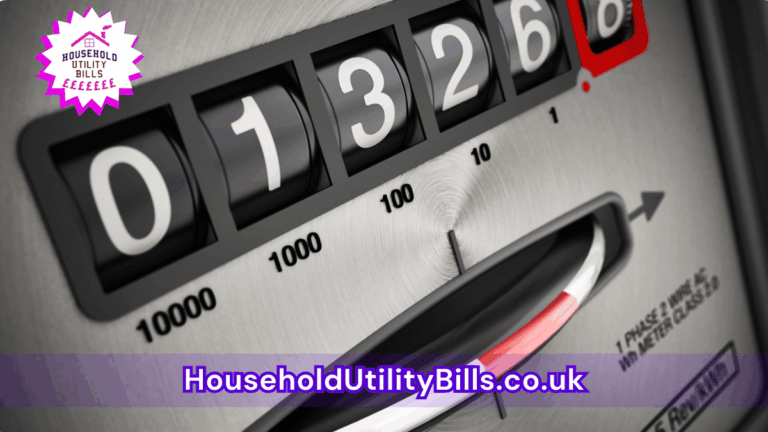
Another common error is neglecting to consider your meter type. There are different rates for standard meters versus smart meters, and not all tariffs apply equally to both. If you switch to a plan that doesn’t suit your meter, you risk overpaying for your energy usage.
3. energy switching mistakes: Not checking customer service ratings
Some might assume that the best price always equals the best service. This assumption can lead to dissatisfaction with a provider known for poor customer service. Before switching, check customer reviews and industry ratings to ensure you’ll receive good support when you need it.
4. energy switching mistakes: Failing to consider your energy usage
Another frequent issue is not reflecting on your actual energy usage before making a change. If your consumption habits alter seasonally, it is wise to evaluate your typical usage patterns. Choosing a tariff that doesn’t align with your needs can result in higher bills than anticipated.
- How Heating One Room Only Can Lead To Higher Energy Costs Over Time
- How Energy Standing Charge Tariffs Can Affect Your Monthly Budget: Make Informed Choices To Control Costs
- How Renters Energy Complaints Process Can Lead To Higher Bills
- How Gradual Damage Insurance Can Lead To Unexpected Costs In Your Home
- How A Boiler Rattling Noise Can Affect Your Energy Bills: What To Look For
People Also Ask…
How can I avoid common energy switching mistakes?
To avoid common mistakes, carefully compare different tariffs, consider your meter type, and assess your energy usage before switching. This will help ensure you find the best deal.
What should I consider when choosing an energy provider?
When selecting an energy provider, consider pricing, contract terms, customer service, and evaluations of their reliability. All these factors can impact your overall experience and costs.
Why is comparing energy tariffs important?
Comparing energy tariffs is vital because even small differences in pricing can significantly affect your bills over time. Understanding the entire package is key to finding the best deal.
Can I switch energy suppliers if I’m in a contract?
You can usually switch suppliers even if you’re in a contract, but be aware that you may face exit fees. Check your current provider’s terms to avoid unexpected charges.
Your New Energy Tariff Is Plotting a Bill Ambush
That tempting rate can arrive with a standing-charge sidekick, an exit fee or meter rules you missed. HUBS Energy Switch Bill-Check Sheet helps you catch the costly details before you switch. Discover what could change the cost:
- Compare yearly costs using your real energy use, not just a tempting monthly estimate
- Check exit fees, tariff dates and meter rules before you commit
- Record your switch-day readings and check the first bill against your quote
Plus more… Grab the full breakdown now.
Free. Sent straight to your inbox. No marketing unless you choose it above.