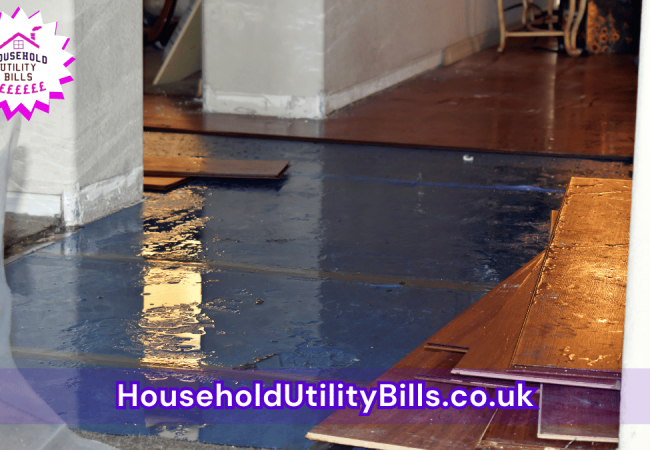
How insurers assess water damage claims is essential knowledge for any homeowner. Many people, however, find themselves unprepared for the process, leading to frustration and confusion when trying to navigate their insurance policies. Commonly, when water damage occurs, households experience delays and disputes with their insurers, exacerbating stress during an already challenging time.
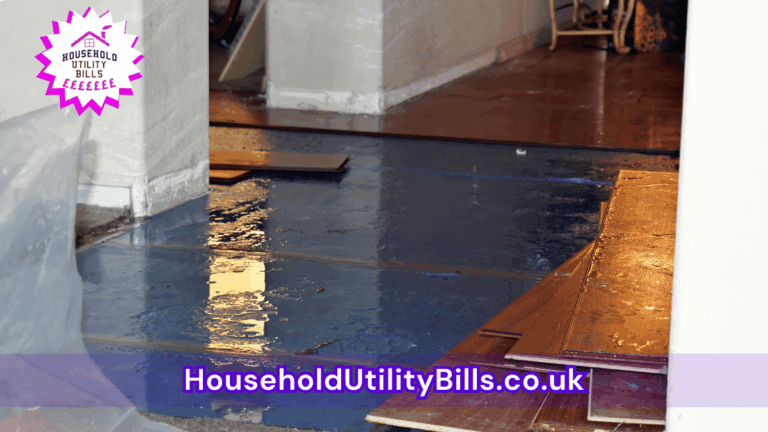
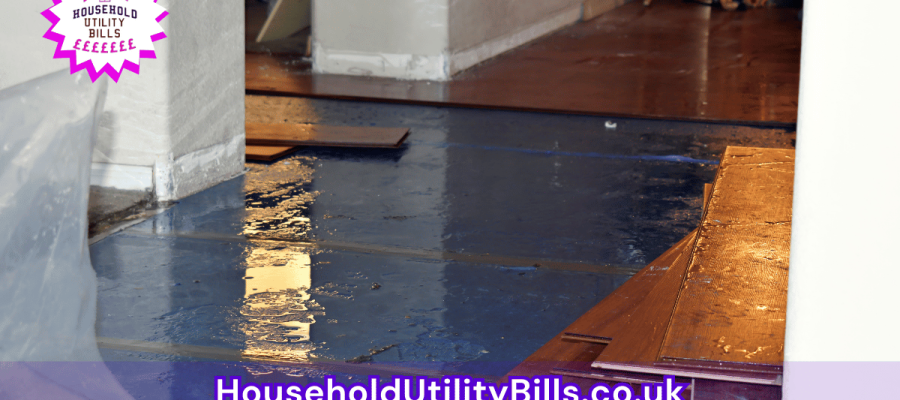
In real homes, water damage can stem from various sources, including burst pipes, heavy rainfall, or accidental overflow. When these incidents happen, homeowners usually expect their insurance to cover the costs of repairs. Unfortunately, what typically unfolds is a time-consuming back-and-forth with insurers, who may challenge the claim or request extensive documentation before providing support.
This situation often persists due to a combination of misunderstandings about insurance policies and the complexities involved in assessing the nature and extent of the damage. Many homeowners do not fully grasp what their policy covers or how damages must be documented, leading to further complications down the line.
- How Insurers Manage Partial Claims: Costs And Considerations For Homeowners
- How Insurers Evaluate Evidence: A Complete Household Guide To Claims Assessment
- Understanding How Insurers Evaluate Contractor Estimates: Key Decisions And Common Mistakes
- Insulation Return On Investment: A Complete Household Guide To Energy Efficiency
- How Routines Support Shared Living: A Complete Household Guide To Effective Cooperation
1. Understanding the Claims Process for Water Damage
The process of claiming for water damage involves several steps. Initially, a homeowner must notify their insurance provider about the incident. The insurer will then assign a claims adjuster to evaluate the damage, which involves a thorough inspection of the affected areas. This step is critical as it sets the course for how insurers assess water damage claims and whether the claim will be approved.
Throughout this process, documentation is key. Homeowners must provide photographs of the damage, receipts for repairs, and, in some cases, professional assessments. Insurers use this data to determine if the damage falls under the coverage specified in the homeowner’s insurance policy.
2. Factors Insurers Consider When Evaluating Claims
When it comes to how insurers assess water damage claims, several factors come into play. First, they examine the source of the water damage. Is it from a sudden leak or a slow, gradual issue? Insurers typically cover sudden and accidental damage, while long-term issues may not be eligible for claims.
Another consideration is the cause of the water damage. Was it due to a natural disaster, or could it have been prevented? Insurers often look for signs of neglect or failure to maintain the property, which could invalidate a claim. Understanding these factors can help homeowners better prepare for potential claims.
3. Common Misunderstandings About Water Damage Claims
A prevalent misunderstanding is that all types of water damage are covered under standard home insurance policies. This is not always the case. Many people assume that issues like flooding from heavy rainstorm events are included, but specific flood damage usually requires separate flood insurance.
Additionally, homeowners may think that just reporting water damage will ensure their claim is accepted. However, the coverage limitations in their policy need to be carefully reviewed. Many policies have clauses that outline specific exclusions that can affect coverage if not understood before disaster strikes.
4. The Importance of Proper Documentation
Documenting damage accurately plays a crucial role in the claims process. When assessing claims, insurers often require detailed evidence of the damage. This may include photographs showing different angles of affected areas, videos capturing the extent of the problem, and records of any temporary repairs undertaken to mitigate further damage.
Additionally, retaining receipts for all repairs and clean-up efforts can strengthen a claim. Failing to provide adequate documentation can result in a lower compensation amount or, worse, complete denial of the claim.
5. The Costs Involved in Water Damage Claims
Water damage can lead to substantial costs, both in terms of repairs and insurance premiums. Homeowners may find that filing a claim can increase their renewal premiums even after receiving compensation. Insurers view frequent claims as a risk factor, which can lead to higher costs in the future.
Moreover, if a claim is partially denied due to insufficient documentation or a misunderstanding of policy coverage, homeowners might incur out-of-pocket expenses that could have otherwise been covered if proper procedures were followed.
6. How to Effectively Prevent Water Damage Claims
While prevention strategies may seem like a practical approach, understanding the underlying issues can decrease the likelihood of future claims. Regularly inspecting plumbing systems, checking the roof for leaks, and maintaining gutters can help prevent damage before it escalates. Homeowners should consider scheduling regular maintenance checks to spot potential problems early.
Moreover, being proactive by purchasing comprehensive insurance coverage that includes flood insurance when necessary can provide peace of mind and financial protection in case of unforeseen events.
7. The Role of Professional Assessments
Sometimes, a homeowner may need to employ a professional assessor to strengthen their claims process. This could be useful, especially when high costs are involved or the damage is extensive. Professionals can provide detailed reports outlining the damage’s cause and extent, which can help insurers in their assessment.
Having a qualified expert can expedite the process and provide validation for your claim. If the insurer does not accept a claim based on initial assessments, having a second opinion might help negotiate a fair outcome.
People Also Ask…
How do I make a water damage claim?
To make a water damage claim, first contact your insurance provider and report the incident. Gather documentation, including photographs and repair estimates, and submit these with your claim.
What should I do right after water damage occurs?
Immediately after water damage occurs, take steps to mitigate further damage. This may include turning off the water supply, moving valuable items to safety, and documenting the damage as thoroughly as possible.
Why might my water damage claim be denied?
Your water damage claim could be denied for various reasons, including lack of coverage for the type of damage, insufficient documentation, or if the damage was due to neglect of the property.
Can I claim for mold damage after water leaks?
You may be able to claim for mold damage if it is a direct consequence of water leaks covered by your policy. However, most insurers do not cover mold that results from neglect or insufficient maintenance.
Is it necessary to hire a claims adjuster?
Hiring a claims adjuster is not necessary, but it can be beneficial if your claim involves complex issues or substantial damages. They can help ensure your claim is processed fairly.
How long does it take to settle a water damage claim?
The time it takes to settle a water damage claim varies based on the complexity of the case and the insurer’s processes. It can range from a few weeks to several months.