A home energy savings guide can help you lower your bills and make your home more efficient. Many people in the UK find themselves overwhelmed by rising energy costs and unsure of how to tackle them. This often leads to frustration, as households are left searching for solutions while the situation seems to worsen.
In real homes, families commonly experience high energy bills, especially during winter months. Many assume their energy usage is fixed and beyond their control. They often believe that saving energy requires significant changes or investments, which can feel daunting at first.
This situation persists because households frequently lack clear information on how energy systems work. Misunderstandings about energy efficiency and savings can lead to inaction and unnecessary expenses. As a result, many continue to pay more than they need to, missing out on potential savings.
- UK Cost Of Living Crisis – Easy, Cost-Saving Solutions To Millions Of UK Households Paying More For Energy
- List Of UK Rising Household Bills And How You Can Manage The Costs
- Understanding Microwave Electricity Usage: What Most People Miss About Your Energy Bills
- How Cleaning Systems Simplify Life: A Complete Household Guide To Efficient Maintenance
- The Great Debate: Renting Vs Buying UK – A Real-Life Story
1. Understanding Energy Consumption in Your Home
To begin tackling energy costs, it’s essential to understand how your home consumes energy. Every home has different energy needs based on size, age, and appliances. Common sources of energy consumption include heating, lighting, and large appliances like fridges and washing machines.
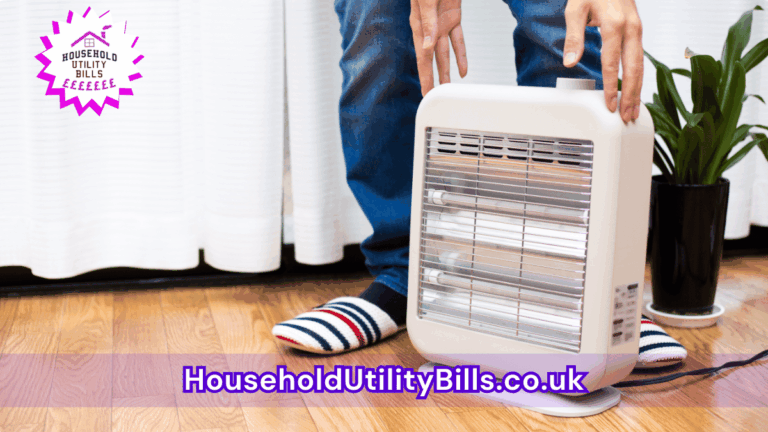
Heating often accounts for a significant portion of energy use, especially in colder months. Understanding your heating system—whether it’s gas central heating, electric heating, or another system—is vital. Knowing how to operate and maintain this system efficiently can lead to substantial savings over time.
2. Common Misunderstandings About Energy Efficiency
Many households hold misconceptions about energy efficiency that can lead to wasted energy and unnecessary costs. One common belief is that turning off devices when not in use does not save much energy. In reality, many appliances consume energy even in standby mode. Learning to switch off devices completely can yield unexpected savings.
Another misunderstanding is that older homes cannot be made energy-efficient. While it may require some investment, there are many ways to improve the efficiency of older properties. Insulation, double glazing, and modern heating controls can make a significant difference without compromising the character of the home.
3. The Costs and Risks of Not Addressing Energy Use
Ignoring energy use can lead to escalating costs that place a strain on household budgets. Many families experience anxiety over unexpectedly high energy bills, which can drain resources over time. Furthermore, inefficiencies can lead to environmental issues, contributing to climate change.
Not addressing energy consumption can also increase stress levels, as households feel less in control of their finances. By learning about energy use and taking action to improve it, families can alleviate some of this stress and contribute positively to their environment.
4. Strategies for Home Energy Savings
Implementing energy-saving strategies can involve straightforward changes that do not require a significant investment. Simple steps include switching to energy-efficient bulbs and regularly checking insulation. These small changes can provide quick wins and lead to noticeable savings on energy bills.
More extensive strategies might involve upgrading major appliances to energy-efficient models. While this may have an upfront cost, these investments typically pay for themselves over time through reduced energy bills. It’s important to research products and compare energy ratings to determine the best options for your household.
5. The Role of Smart Home Technology
Smart home technology can further enhance energy savings by allowing homeowners to monitor and control their energy usage. Smart thermostats, for instance, can learn your schedule and adjust temperatures accordingly, reducing unnecessary heating when the house is empty.
Other options include smart plugs that enable you to switch off devices remotely or timers that control when appliances operate. As more devices become interconnected, these systems allow for tailored energy management, making it easier to achieve ongoing savings.
6. How to Conduct an Energy Audit
Conducting an energy audit can help identify areas where your home is losing energy and where improvements can be made. You can either hire a professional or conduct one yourself. A self-conducted audit might involve checking for drafts, assessing insulation, and evaluating appliance efficiency.
Using an energy monitor can also provide insights into energy usage patterns, identifying high-consumption devices. This information allows you to make informed adjustments and focus on the areas that will yield the most savings.
7. The Benefits of Renewable Energy Options
Exploring renewable energy options can further enhance savings and sustainability. Solar panels, for example, can tap into a free energy source, significantly reducing monthly bills. While there are upfront costs in installation, government incentives and decreasing prices make this option more accessible.
Other renewable options, such as wind turbines or heat pumps, may also be worth considering. These investments can lower dependency on traditional energy sources, providing long-term benefits for both your household and the environment.
8. Ongoing Education and Adaptation in Energy Savings
Staying informed about energy efficiency technologies and practices is crucial for maintaining savings long-term. As the energy market evolves, new solutions and technologies emerge regularly. Regularly revisiting your energy use and savings can help ensure that you are maximising your efforts.
Engaging with local energy-saving initiatives or community groups can also foster a greater understanding and provide support. Sharing experiences and strategies can assist households in achieving their goals collectively.
People Also Ask…
How can I save energy at home effectively?
You can save energy at home by switching off devices when not in use, using energy-efficient appliances, and enhancing insulation. Simple changes, like using energy-saving light bulbs and adjusting your heating, can make a big difference.
What is an energy audit?
An energy audit is an assessment of your home’s energy use and efficiency. It helps identify areas where you can improve energy savings, often leading to reduced bills and a smaller carbon footprint.
Why should I consider solar panels for my home?
Solar panels can significantly reduce your energy bills by harnessing sunlight. While there is an initial cost, many homeowners find they quickly recoup this through savings on their energy bills.
Can small changes really make a difference?
Yes, small changes add up over time. Simple actions like using less hot water, turning off lights, and eliminating standby power can accumulate to create significant energy savings.
Should I upgrade my appliances?
Upgrading to energy-efficient appliances is a wise investment. While there is a cost involved, these appliances typically consume less energy, leading to lower bills and a quicker return on investment.
When is the best time to conduct an energy audit?
While any time is a good time for an energy audit, conducting one before the winter months can be particularly beneficial. This allows you to prepare and address heating needs before facing cold weather.