
Last updated: 12 June 2026
How insurers predict climate risk is a topic many homeowners might not think about, yet it greatly affects your household. Understanding how this prediction process works can help you make more informed decisions regarding your home insurance and potential future risks. Knowing what to expect can save you both money and stress in the long run.
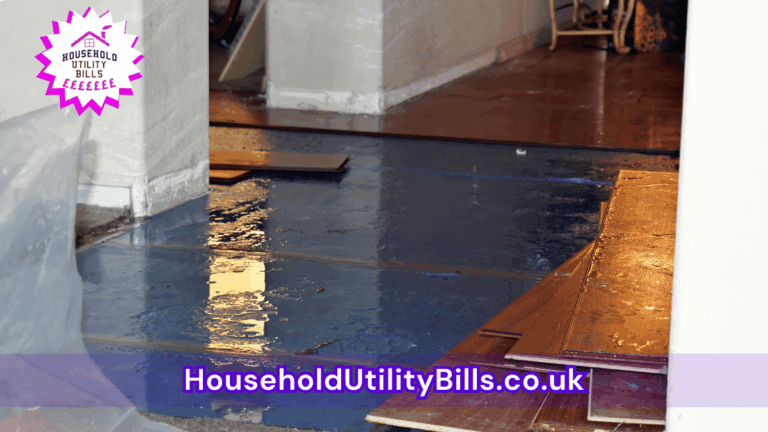
In many households across the UK, people often find themselves confused about how insurance premiums are set, particularly when climate risks are involved. When heavy rain floods a street or storms damage a roof, victims realise too late that their premiums could have been affected by these risks long before they occurred. This pattern is frustrating and often feels unavoidable.
This situation persists because many homeowners don’t grasp the relationship between climate change and their insurance premiums. Misunderstandings about how insurers assess risk can lead to poor financial decisions. Consequently, awareness is key for households looking to adapt and prepare for climate-related changes.
- Understanding Flood Risk: How Premiums Can Affect Your Home Insurance Costs
- How Insurance Companies Assess Neighbourhood Risk: Key Decisions And Common Mistakes
- Understanding Home Emergency Insurance: How It Can Save You From Costly Repairs
- Understanding How To Improve Household Flow: What Might Be Causing Unnecessary Clutter And Stress
- Creating Serenity: How To Make Rooms Feel Calmer Through Colour Choices
1. Understanding How Insurers Assess Risk
Insurers evaluate various factors to determine the likelihood of a claim being made. They look at historical data, current market trends, and modelling techniques that take climate change into account. Predicting climate risk involves analysing weather patterns, sea levels, and even broader environmental trends to project future scenarios. For example, areas prone to flooding or severe storms may face increased premiums or have more difficulty securing coverage altogether.
The data used doesn’t just come from local sources; it often includes global climate models developed through extensive research. By leveraging technology and analytics, insurers can more accurately assess the risks associated with different geographical areas and properties.
2. Why Problems Arise in Real Homes
One significant issue is that many homeowners are unaware of underlying risks tied to their properties. An average person might think their home insurance covers them regardless of location, but various factors contribute to insurance costs that people do not fully comprehend. A house in a low-lying area may seem idyllic but can face significant risks when storms hit, impacting not only the insurance coverage but also the property’s value.
Moreover, some homeowners do not update their policies or make adjustments when their circumstances change. For example, if an area experiences increased flooding, failing to inform the insurer may lead to complications during a claim process. This confusion often stems from a lack of awareness about climate-related data affecting local risks.
3. Common Misunderstandings About Climate Risk
One common misconception is that insurance policies remain static. Many homeowners wrongly believe their premiums will not fluctuate unless they make a significant claim. In reality, factors such as the increasing frequency of extreme weather events can lead to higher premiums over time, even without a history of claims.
Homeowners might also think that insurers only look at individual property characteristics. While this is important, insurers also consider the entire location’s risk profile. As community flooding becomes more frequent, even properties that historically had low risk may see increased premiums, leading to unexpected costs for residents.
4. Costs and Financial Trade-Offs
When analysing how insurers predict climate risk, it’s crucial to consider the cost implications for homeowners. A property situated in a high-risk area may incur significantly higher insurance costs. Those costs force many households to make tough financial decisions. Some may choose to risk going without adequate coverage to save money, only to face potentially devastating costs should disaster strike.
Understanding this process allows homeowners to assess whether living in a high-risk area is worth the financial burden of increased premiums. Many families may find more affordable options outside high-risk zones, saving money not only on insurance but also reducing stress tied to potential disasters.
5. Realistic Household Decisions Based on Insight
Once you understand how insurers predict climate risk, you can make wiser choices for your household. If you’re considering purchasing a home, always look into its risk assessment. Local environmental agencies often provide information on flood zones and other risks. This data can help you gauge whether the home will likely face increased insurance costs.
You can also proactively improve your property’s resilience. Simple changes, like proper drainage systems, can significantly reduce the risk of flooding, which could lead to lower premiums. Working with your insurance agent to discuss these modifications can provide clarity on available discounts.
6. Prevention Through Understanding
Preventing problems before they arise often comes down to understanding the system. Awareness of climate risk analysis allows homeowners to take essential steps to protect their investments. For example, being aware of your neighbourhood’s changing climate can lead you to make smart financial and structural decisions that shield you from higher costs or loss.
This knowledge equips you to ask the right questions when dealing with insurers. Understanding terminologies like “actuarial data” or “risk assessment models” can help you engage in informed discussions about your policy. Being proactive in seeking out information can ultimately result in a more secure and financially sound home.
People Also Ask…
How do insurers gather climate data?
Insurers gather climate data from a variety of sources, including historical weather trends, satellite imagery, and climate modelling projections to assess risks associated with specific regions.
What factors affect my home insurance premium?
Your home insurance premium can be influenced by factors such as your home’s location, its structure, the likelihood of natural disasters, and even your claims history.
Why do I need to update my insurance policy?
You need to update your insurance policy to reflect changes in your home or surrounding environment that might increase your risk level, ensuring you have appropriate coverage.
Can I lower my insurance premiums?
Yes, you can lower your insurance premiums by improving your home’s resilience to climate risks, such as installing flood barriers or updating electrical systems.
Is it possible to get coverage in high-risk areas?
While it is possible to get coverage in high-risk areas, you may face higher premiums or specific exclusions for certain types of damage that you should be aware of.
How can I find out my home’s risk level?
You can find out your home’s risk level by consulting local government resources, accessing community climate data, or speaking with an insurance agent who can provide insights.
When should I reevaluate my insurance needs?
It’s good to reevaluate your insurance needs whenever you make significant home improvements, experience a natural disaster, or when the local climate conditions change markedly.
What should I do if I cannot afford high premiums?
If you cannot afford high premiums, consider shopping around for quotes, exploring government assistance programs, or looking into property modifications that may lower your risk profile and premiums.