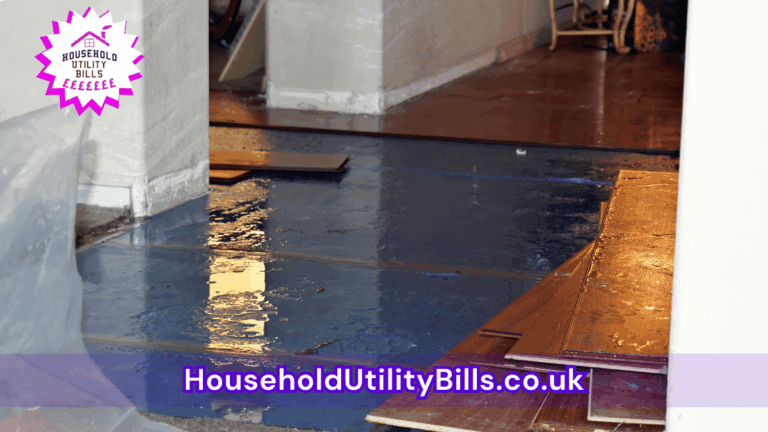

How insurers negotiate settlements can often feel confusing. Many homeowners find themselves unsure about how the process works, especially when unexpected issues arise. This uncertainty frequently leads to stress and misunderstandings in managing household claims and bills.
In many UK homes, when an incident occurs—be it a burst pipe or damage from a storm—families might expect quick resolutions. However, they often find themselves navigating a maze of paperwork and negotiations that can feel overwhelming. Delays and back-and-forth conversations with insurers become the norm.
This cycle persists partly due to a lack of clear information about how the insurance system operates. Many people enter the process with misconceptions, thinking their insurers will handle everything smoothly, only to discover that understanding the claims process is vital for a fair outcome.
- How Insurers Handle Large Loss Claims: A Complete Household Guide
- How Insurers Manage Disputed Claims: Key Decisions And Common Mistakes
- When A Pipe Burst Under The Hallway Floor: What Happens When You Ignore Early Signs Of Water Damage?
- Heat Network Bills: Does Your Home Use A Heat Network? Five Things You Should Check
- Cost Of Living Support 2026: What Help You Can Still Check For Bills, Buses, Fuel And Summer Costs
1. Understanding the Basics of Insurance Claims
The process of making a claim starts when an incident occurs. Homeowners typically notify their insurance provider, detailing the issue at hand. This could range from a minor accident to significant damage. Insurers have a duty to investigate claims, which means that they will evaluate the situation before making any settlements.
Once a claim is filed, insurers often send a representative or an adjuster to assess the damage. This process may include gathering evidence, such as photographs or repair estimates, to determine the claim’s validity. Understanding this initial stage helps homeowners prepare for the next steps.
2. How Insurers Negotiate Settlements in Detail
When discussing how insurers negotiate settlements, one must consider various factors affecting the determination of payouts. These can include the type of coverage held, the policy limits, and the specific circumstances of the claim. Insurers aim to minimise their financial exposure while fulfilling their obligation to the policyholder.
After assessing the claim, insurers will propose a settlement figure. This figure may be lower than what the homeowner expects, often leading to negotiations. Homeowners must understand their policy and the reasoning behind the insurer’s offer. This awareness can empower them to argue for a fairer settlement based on their understanding of the situation.
3. Common Misunderstandings About Insurance Negotiations
Many people mistakenly believe that once a claim is filed, the insurer will always act in their best interest. This assumption can lead to disappointment when settlements fall short. Insurers often use algorithms and standardised assessments to determine payouts, which may not consider individual circumstances.
Additionally, households may not realise that they have the right to negotiate settlements. Understanding that this part of the process is standard can be crucial. Homeowners are encouraged to present additional evidence or reasoning during negotiations, such as detailed repair costs or quotes from contractors, to support their case.
4. Costs and Trade-offs in Insurance Claims
While engaging with insurers, households must understand that time spent negotiating can have hidden costs. The longer the process drags on, the more potential stress accumulates, impacting family life. Many fear the prospect of litigation, which may arise if settlement negotiations fail. This can lead to further costs, both in time and money.
Homeowners may also face trade-offs when deciding how to proceed. If they accept a low initial offer to get the settlement process over with quick, they could miss out on a more equitable amount by continuing negotiations. This choice can weigh heavily on families, especially in times of need.
5. Tips for Better Household Insurance Decisions
To navigate the insurance landscape successfully, consumers should regularly review their policies, ensuring they understand their coverage fully. Keeping records of past claims, relevant communication, and everything concerning home maintenance is beneficial to back up claims later.
Also, seeking professional advice or assistance can help. Insurance brokers can provide insights into the claims process, ensuring consumers feel more confident when dealing with their insurers. This knowledge can translate to better outcomes during negotiations.
6. Why Problems Happen During Settlements
The challenge for many households is insufficient understanding of the insurance landscape and how insurers negotiate settlements. Common issues stem from unclear policy wording, which can create confusion about what is covered, resulting in disputes during the claims process.
Moreover, some households put off contacting their insurers due to fear of an unsatisfactory outcome. This avoidance can lead to worsening situations or missed deadlines for claims. Ensuring timely communication with your insurer is key to preventing escalation.
7. Realistic Expectations of the Claims Process
Understanding the claims process’s typical timeline is crucial. Homeowners should know that settling a claim can take weeks or even months, depending on the severity of the damage and the insurer’s investigative process. Keeping realistic expectations can help manage stress levels during this time.
Communicating regularly with your insurer also plays a significant role. Regular updates can help keep the ball rolling and remind the insurer of your active interest in resolving the claim.
People Also Ask…
How do I file an insurance claim effectively?
To file a claim effectively, gather all relevant documentation from the incident, contact your insurer promptly, and provide clear details about the situation. Follow up with your insurer for any additional information they might need.
What should I do if my claim is denied?
If your claim is denied, review the reasons given by your insurer. You can appeal the decision or provide additional evidence to support your case. It may also help to consult with an insurance advisor.
Why is my insurance offer lower than expected?
Your insurance offer may be lower due to standardised assessments your insurer uses. They might have determined that the damage is less severe than you expected, or they may not be considering all relevant factors. This is worth challenging if you have evidence to support a higher claim.
Can I negotiate my insurance settlement?
Yes, you can negotiate your insurance settlement. It is vital to present evidence that supports your position, such as quotes or repair estimates, and clearly state your reasons for the higher amount you are claiming.
Is it worth hiring a lawyer for my claim?
Hiring a lawyer can be worthwhile if your claim is complex or if your insurer refuses to negotiate reasonably. A legal expert can provide guidance and help ensure that you receive a fair settlement.
When should I contact my insurer?
You should contact your insurer as soon as an incident occurs that may lead to a claim. Early communication can help prevent complications in receiving your settlement.
What is the average time for settlement?
The average settlement time can vary, but most claims take between a few weeks to several months, depending on the complexity of the case and the responsiveness of both parties.