Last updated: 12 June 2026
A home energy audit can help you understand how to improve your energy usage and reduce costs. By identifying key areas where energy is wasted, you can implement changes that lead to significant savings on your bills. This approach not only boosts your home’s efficiency but also contributes to a more sustainable environment.
To start, you should schedule a professional audit or use a DIY checklist to assess your home’s energy use. This process will highlight where changes are necessary and how much you can potentially save. By addressing these areas, your monthly costs can drop, and your property’s value might even increase.
This audit is relevant to you because energy bills are a significant part of household expenses, and understanding where savings can be made can have a substantial impact on your budget. With rising energy prices, being proactive can prevent larger financial burdens in the future and promote a healthier living environment.
1. home energy audit: Understanding energy loss
Many households unknowingly waste a significant amount of energy due to areas that are not properly insulated or sealed. Drafty windows, poorly insulated roofs, and unsealed doors can lead to heat escaping in winter and unwanted heat entering in summer. This not only makes your home less comfortable but can also inflate your energy bills drastically. Each time you turn on your heating or cooling systems, you’re losing money if these issues aren’t addressed.
Checking your windows and doors for drafts, adding insulation where needed, and ensuring that your home is properly sealed can help combat this energy loss. Additionally, the upgrading of single-glazed windows to double-glazed alternatives can create substantial long-term savings.
2. home energy audit: The role of appliances
Another common misconception is that older appliances won’t impact your bills significantly. However, this isn’t necessarily true. Outdated appliances often consume much more energy than their modern, energy-efficient counterparts, which can lead to higher costs. The key is to be vigilant about appliance efficiency ratings when making replacements.
To keep your energy costs down, consider slowly replacing older appliances with energy-efficient models. Look for those bearing the Energy Saving Trust or similar ratings. This not only contributes to lower energy bills but also aligns your household with environmentally-friendly practices.
3. home energy audit: Heating systems efficiency
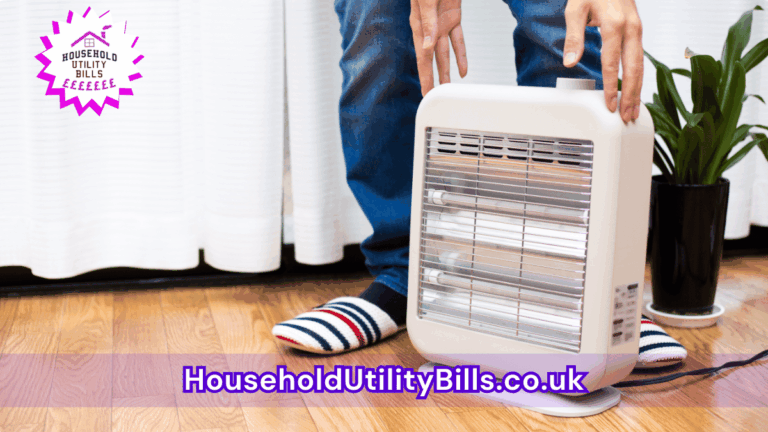
Your heating system plays a crucial role in your energy consumption. Many homes still rely on outdated heating methods or poorly maintained systems, leading to increased consumption and costs. Regular servicing and upgrades can significantly improve efficiency. An annual boiler check or considering smart thermostats can help manage heating more effectively.
To ensure your heating system is performing optimally, assess its age and efficiency. If it’s over a decade old, you may want to consider replacement. Programmable thermostats can also revolutionize how you manage heating and must be set up correctly to maximise savings.
4. home energy audit: Lighting solutions
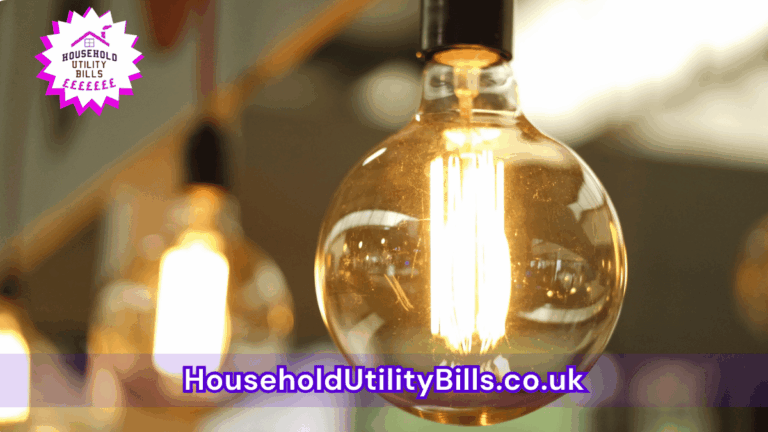
Many households overlook the impact of lighting on energy costs. Switching from traditional incandescent bulbs to energy-efficient LEDs can dramatically reduce your electricity usage. In fact, according to the Energy Saving Trust, LED bulbs use up to 85% less energy than incandescent bulbs.
Start by replacing bulbs in high-use areas first, such as kitchens and living rooms. This simple switch can lead to noticeable savings on your energy bill over time.
- Ofgem Energy Price Rise: Why Your Bills Are Going Up Again And How A Review Can Lower Them
- UK Cost Of Living Crisis – Easy, Cost-Saving Solutions To Millions Of UK Households Paying More For Energy
- Energy Efficient Windows – 5 Best Tips On How To Make Your Windows More Energy Efficient
- Energy Efficient Wood Stove – Are Wood Stoves Energy Efficient?
- Home Security Checklist – 11 Best, Easiest And Most Affordable Steps To Ensure Your Home And Property Are Safe
People Also Ask…
How can I conduct a home energy audit myself?
You can conduct a DIY home energy audit by assessing your home’s insulation, checking for drafts, and evaluating your appliances’ efficiency. Use online checklists available from the Energy Saving Trust for guidance.
What are the benefits of a professional home energy audit?
A professional home energy audit provides in-depth analysis and recommendations, ensuring that you identify all potential areas for improvement, which can lead to greater savings.
Why is insulation important in a home energy audit?
Insulation is vital as it helps maintain your home’s temperature, preventing heat loss in winter and keeping it cooler in summer, ultimately lowering energy costs.
Can I claim any benefits from improving energy efficiency?
Yes, you may be eligible for grants or financial incentives aimed at improving energy efficiency. Check with local councils or the Energy Saving Trust for available options.
How often should I have a home energy audit?
It’s advisable to conduct a home energy audit every few years or whenever you make significant changes to your home, such as renovations.