Last updated: 12 June 2026
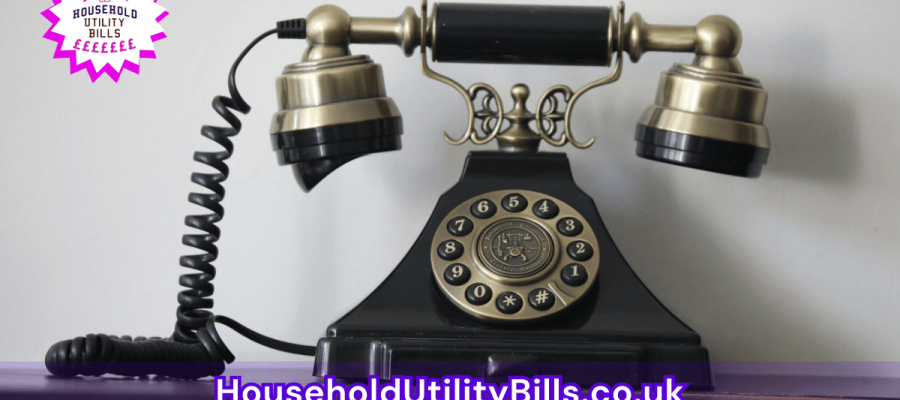
Yes, do people still use landlines, but whether one is worth keeping depends on how your household actually communicates.
For some homes, a landline still feels useful. It may be used for older relatives, work calls, alarm systems, care devices, or simply as a familiar backup when mobile signal is unreliable indoors.
For many other households, the landline has become one of those quiet bill items that sits inside a phone or broadband package without being used much. That is where it is worth taking a closer look.
1. Do people still use landlines: why some households keep them
Some people keep a landline because it gives them a fixed home number that family, friends, schools, clinics, tradespeople, or care contacts already know. For households with elderly relatives, carers, or anyone who dislikes relying fully on a mobile phone, that familiar number can feel reassuring.
Landlines can also be helpful in homes where mobile coverage is patchy. Thick walls, basement rooms, rural locations, or weak indoor signal can make mobile calls unreliable. In that situation, a home phone may still have a practical role.
There are also households where the landline is linked to other services. Some alarm systems, personal care alarms, older payment terminals, or home devices may depend on a phone connection or need checking before any cancellation. This does not mean every household needs a landline, but it does mean you should check what is connected before making a final decision.
2. Do people still use landlines: when the cost may no longer make sense
The problem with landlines is that many people pay for them out of habit. They may be included in a broadband bundle, attached to a call package, or listed as a separate monthly charge. Because the cost does not always feel dramatic on its own, it can easily escape attention.
- Essential Tips For Elderly Mobile Phone Basics: What Most People Miss When Choosing A Device
- Hidden Charges In Mobile Contracts: What Most People Miss On Your Household Bills
- Mobile Communication Tools For Elderly: What Most People Miss About Accessibility Options
- Broadband Works Fine, But Apps Won’t Load: What Most People Miss About Home Connectivity Issues
- Signs Of A Broadband Line Fault: What Most People Miss That Could Disrupt Your Connection
Start by checking your latest bill. Look for line rental, call plans, anytime call add-ons, voicemail extras, caller display, or charges for calls outside your allowance. Even small extras can make a service more expensive than expected over time.
Then compare the cost with your actual usage. If most of your calls happen through your mobile, WhatsApp, video calls, work apps, or broadband-based services, your landline may no longer be earning its place in your household budget.
This is where the decision becomes less emotional and more practical. A landline is not automatically good or bad. It is useful when it solves a real communication problem. It becomes wasteful when it remains on the bill simply because nobody has reviewed it.
3. Do people still use landlines: common reasons people hesitate to cancel
One common reason people keep a landline is the belief that it is always more reliable than a mobile phone. That may be true in some homes, especially where mobile signal is weak. But in homes with strong mobile coverage and reliable broadband, the difference may not be as important as it once was.
Another reason is fear of losing an old home number. If that number is still used by important contacts, it may be worth keeping or asking your provider what options exist. But if most people already contact you by mobile, email, messaging apps, or online accounts, the home number may have become less essential.
Some households also worry about emergencies. That is understandable. The right question is not simply whether a landline exists, but whether everyone in the home has a reliable way to make urgent calls when needed. For some, that may still include a home phone. For others, it may mean keeping mobile phones charged, checking indoor signal, and making sure key contacts are saved properly.
4. Do people still use landlines: how to review your own usage
A simple review can tell you a lot. Look at your landline call history and ask how many calls you actually make or receive through the home phone. Then compare that with your mobile usage and broadband-based communication.
You can also ask everyone in the household how they use the phone. One person may never touch the landline, while another may rely on it for specific calls. This matters because cancelling a service without checking the household pattern can create avoidable frustration.
Next, check whether your landline is part of a wider package. Some broadband deals include a phone service by default, while others charge extra for call bundles. If you rarely make calls, you may not need a paid calling plan even if the home phone line remains part of the package.
It is also worth checking whether your provider offers a cheaper plan, a broadband-only option, or a more flexible call package. Sometimes the saving comes not from removing the landline completely, but from removing unused extras attached to it.
5. Do people still use landlines: alternatives to consider
If you decide your landline is no longer essential, you have several alternatives. A mobile phone may be enough if your signal is strong, your battery habits are reliable, and the people who need to reach you already have your mobile number.
Internet-based calling can also work well for many households. Services such as app calls, video calls, and broadband-based voice services can reduce the need for a traditional home phone setup, especially when most conversations already happen through digital channels.
However, do not cancel blindly. Before removing a landline, check whether any household devices depend on it. Also consider vulnerable family members, care arrangements, home security systems, and any situations where a fixed home number still plays a useful role.
The best decision is the one that fits your home, not the one that follows a trend. If the landline genuinely supports your household, keep it and make sure you are on the right tariff. If it is barely used, review it like any other bill and remove what no longer adds value.
People Also Ask…
How can I tell if I still need a landline?
Check how often you use it, who relies on it, and whether any home devices are connected to it. If it is rarely used and your mobile or broadband-based options work well, it may not be essential.
What costs should I check on my landline bill?
Look for line rental, call bundles, voicemail features, caller display, call charges, and any extras linked to your home phone package.
Why do some households still keep a landline?
Some households keep one for reliability, familiar contact details, elderly relatives, care arrangements, weak mobile signal, or devices that still depend on a phone connection.
Can I save money by cancelling my landline?
You may save money if you are paying for a home phone service or call package that you rarely use. The saving depends on how your broadband and phone package is structured.
Is a mobile phone enough instead of a landline?
A mobile phone may be enough if you have strong signal at home, reliable charging habits, and no household devices or family members depending on a fixed home number.
Should I remove my landline if it comes with broadband?
Not automatically. Check whether you are paying extra for calls or features. You may be able to keep broadband while reducing or removing unused phone add-ons.
When should I review my landline package?
Review it whenever your contract changes, your bill increases, your usage drops, or you notice that most household calls now happen through mobiles or internet-based services.