Last updated: 12 June 2026
Boiler pressure problems can signify underlying issues that require immediate attention. If your boiler pressure is dropping, it typically indicates a leak or another fault within the system. Low pressure can lead to inefficient heating, causing discomfort in your home and potentially higher energy bills.
If you notice your boiler pressure has dropped, the first step is to check your pressure gauge, which should ideally read between 1 and 1.5 bars when the system is cold. If the pressure is below this threshold, you can add water to the system via the filling loop until it reaches the correct level. Ignoring low pressure can not only worsen the problem but also lead to increased repair costs down the line.
Understanding boiler pressure problems is crucial because neglecting them might lead to further complications, such as component failures or even complete boiler breakdowns. This can leave you without heating or hot water, which could be especially distressing during colder months.
1. boiler pressure problems: Understanding the causes
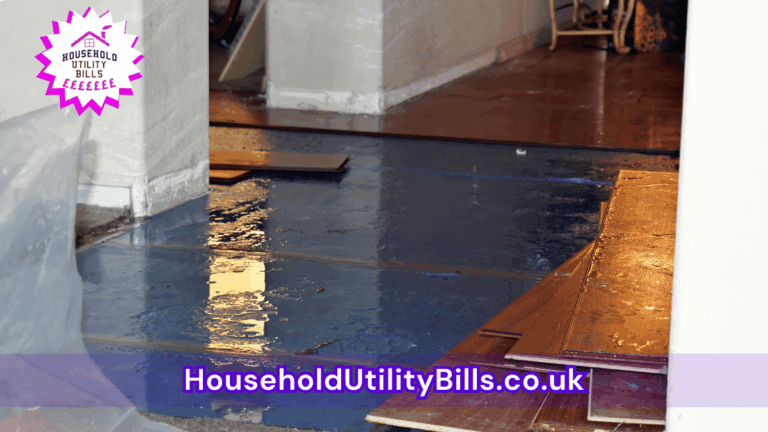
Your boiler’s pressure can drop for various reasons, including water leaks, bleeding radiators, or a faulty pressure relief valve. Many people assume that pressure issues are merely an inconvenience, but they can signal deeper troubles within your heating system that shouldn’t be ignored. For instance, a small leak can become a significant repair problem if left unaddressed, leading to costly damages and even affecting your home’s structure.
2. boiler pressure problems: Impact on your heating bills
One of the critical aspects of low pressure is its effect on your heating efficiency. When your boiler can’t operate at the correct pressure, it uses more energy to heat your home, which can result in increased energy bills. Many households overlook this factor, thinking they can just “live with it,” but over time, the extra costs can add up. By keeping an eye on your boiler pressure, you’re not just ensuring your home stays warm; you are also likely saving money in the long run.
3. boiler pressure problems: Practical checks to implement
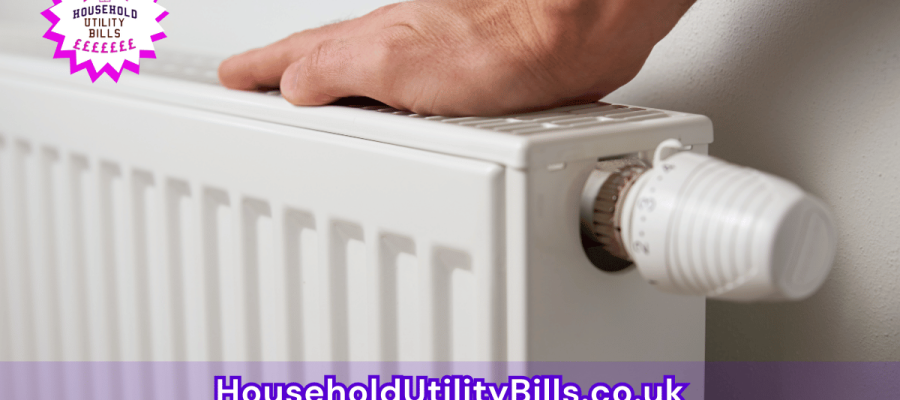
To maintain your boiler, regularly check the pressure gauge and make sure it remains within the recommended range of 1 to 1.5 bars when cold. If you need to top up the pressure, do so cautiously and consult your boiler manual for instructions. Additionally, inspect your radiators for signs of leaks and tighten any loose fittings. Conducting annual boiler servicing can also help catch any pressure-related issues early, preventing more serious and expensive problems down the line.
4. boiler pressure problems: Why timely action is crucial
Neglecting boiler pressure problems can lead to major issues that not only affect your comfort but also increase the financial burden of repairs. Acknowledging these problems early on allows you to address potential leaks or faulty components right away. This proactive approach helps maintain your boiler’s efficiency and longevity, ultimately protecting your investment in home heating.
- Why Your Smart Meter Display Not Working Could Lead To Higher Bills
- How Energy Tariff Switching Advice Can Save Tenants Money On Monthly Bills: What Most People Miss About Hidden Costs
- How Energy Tariff Switching Advice Can Lead To Significant Savings On Your Bills
- How To Prevent Clutter From Building Again: Effective Strategies To Keep Your Living Space Clutter-Free For Good
- How A Stuck Open Valve Affects Your Heating Efficiency: Save On Energy Bills Now
People Also Ask…
How do I know if my boiler pressure is too low?
You can check your boiler pressure using the pressure gauge, which should indicate between 1 and 1.5 bars when cold.
What happens if I don’t fix low boiler pressure?
If low boiler pressure isn’t addressed, it can lead to inefficient heating and potentially permanent damage to your boiler system, resulting in higher repair costs.
Why is my boiler pressure dropping frequently?
Frequent drops in boiler pressure can indicate leaks, faulty valves, or issues with the boiler itself that require immediate professional attention.
Can I fix low boiler pressure myself?
You can safely add water to your boiler if the pressure is too low, but for persistent issues, it’s advisable to consult a professional.
Should I service my boiler if the pressure drops?
Yes, regular servicing can help identify and fix underlying issues, including pressure problems, ensuring your boiler operates efficiently.
Is it dangerous to run a boiler with low pressure?
Running a boiler with low pressure isn’t immediately dangerous, but it can lead to inefficiency and potential long-term damage to the system.