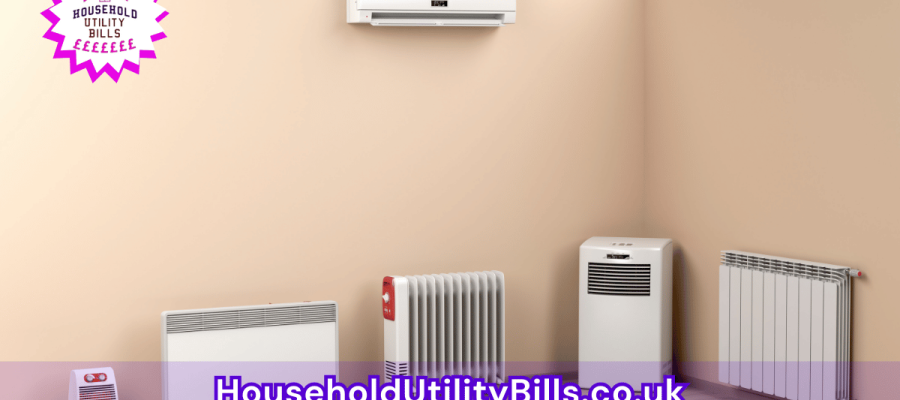
Home efficiency upgrades can significantly lower your monthly bills by reducing energy consumption. By making improvements to your home, you can directly cut down on the expenses related to heating, cooling, and electricity. It’s not just about comfort; it’s about saving money in the long run.
To make the most of these upgrades, you should start by assessing your current energy usage and identifying areas for improvement. This includes everything from loft insulation to energy-efficient appliances. Each upgrade can lead to noticeable reductions in your bills and a more comfortable living environment.
This topic is especially relevant for UK households facing rising energy costs. By investing in home efficiency upgrades, you not only enhance your home’s value but also safeguard against future price hikes. Understanding these upgrades and their impact can help you make informed decisions that pay off over time.
- The July 2026 Energy Price Cap Starts Today: 7 Checks Every Household Should Make
- UK Cost Of Living Crisis – Easy, Cost-Saving Solutions To Millions Of UK Households Paying More For Energy
- Heating Oil Customers Need Stronger Protection: What Off-Grid Households Should Know
- Understanding How Insurers Evaluate Contractor Estimates: Key Decisions And Common Mistakes
- How Routines Evolve With Growing Families: A Complete Household Guide To Adaptation And Change
1. home efficiency upgrades: Understanding the Costs
Many homeowners underestimate the upfront costs of home efficiency upgrades, thinking they can’t afford to invest in improvements. However, the reality is that the initial investment often leads to substantial savings on monthly bills. For instance, double glazing windows may appear pricey, but they can reduce heating costs significantly, often paying for themselves in just a few years.
One common misunderstanding is that all upgrades are equally effective. In truth, some improvements, such as installing a smart thermostat, can yield faster returns on your energy savings compared to others. Realising which upgrades best suit your home will help you make wiser financial choices.
2. home efficiency upgrades: Identifying Effective Changes
There are several upgrades that can lead directly to lower bills. Insulating your loft and walls can prevent heat loss, reducing the amount of energy required to keep your home warm in winter. Another essential change is switching to LED lighting, which uses significantly less energy than traditional bulbs.
Additionally, consider upgrading your boiler; an A-rated combi boiler can operate much more efficiently than older models. The savings on energy bills can be considerable, impacting your finances positively month-to-month.
3. home efficiency upgrades: The Importance of Maintenance
Regular maintenance of your home’s efficiency features is crucial for long-term savings. After investing in upgrades, neglecting to maintain them may lead to diminished efficacy and unexpected costs. For example, failing to regularly service your new boiler can result in inefficiencies that drive your bills back up.
Moreover, if you install draught-proofing strips, ensure they remain intact and functional. Regular checks and updates on these features can prevent a return to high energy costs, keeping your household bills manageable.
People Also Ask…
How can I assess my home’s current energy efficiency?
You can assess your home’s energy efficiency by reviewing your energy bills, conducting a home energy audit, or using online calculators that estimate energy consumption based on home details.
What are some simple upgrades I can make?
Simple upgrades include installing energy-efficient light bulbs, using draught-proofing strips, and adding insulation to your loft or walls.
Why is insulation important for energy savings?
Insulation is crucial because it minimizes heat loss, which means your heating system doesn’t have to work as hard, leading to lower energy bills.
Can smart thermostats really save me money?
Yes, smart thermostats can save you money by allowing you to control your heating efficiently, ensuring you use energy only when you need it.
When should I consider replacing my appliances?
If your appliances are over ten years old and not energy-efficient, it’s a good time to consider replacements as newer models often save more energy and cut bills.
Is it worth investing in solar panels for my home?
Investing in solar panels can be worth it, especially with available incentives and lower energy bills, but it’s essential to consider your location and sunlight exposure.