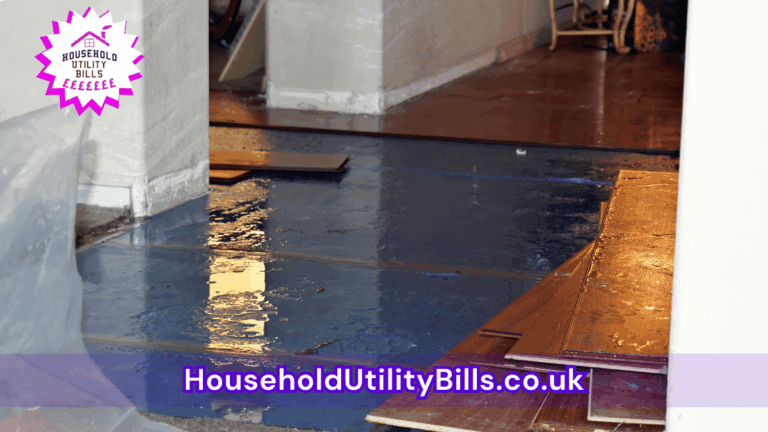
Does insurance cover damp damage? The answer depends on the policy you have and the specific circumstances of the damp issue. Generally, many home insurance policies do include some level of coverage for damage caused by dampness if it’s sudden and accidental, rather than a result of neglect.
If you discover damp damage in your home, it’s crucial to document the issue immediately and notify your insurer as soon as possible. They may require an inspection to assess the damage and determine if your claim is valid. Knowing your policy conditions is important, as some types of damp, like rising damp, might be excluded from coverage.
This topic is relevant as dampness can lead to significant structural issues over time, which could decrease your home’s market value. If damp damage isn’t reported and resolved promptly, it could mean costly repairs later on, further complicating your financial situation.
1. does insurance cover damp damage: Understanding your policy
Your home insurance policy may cover damp damage, but it’s often limited. Most policies will cover water damage due to sudden incidents, like a burst pipe, but ongoing issues from poor maintenance usually fall outside this coverage. This misunderstanding can lead to financial surprises if you face damp-related repairs and are unsure if your policy applies.
2. does insurance cover damp damage: Common misconceptions
A common belief is that all forms of damp are fully covered. In reality, insurers often classify damp damage based on its origin. For instance, damage resulting from leaks or condensation may be treated differently than damage caused by rising damp. Failing to address underlying causes can lead to disputes with your insurer, leaving you to foot the repair bill.
3. does insurance cover damp damage: Practical steps for homeowners
First, inspect your home regularly for signs of damp, such as mould or peeling paint. Secondly, ensure good ventilation, especially in moisture-prone areas like bathrooms and kitchens. If you notice damp issues, act quickly—repair leaks and improve drainage around your property. Lastly, keep records of any maintenance or repairs, as this documentation may support your insurance claim if needed.
- How Insurers Handle Large Loss Claims: A Complete Household Guide
- How Insurers Manage Disputed Claims: Key Decisions And Common Mistakes
- What Causes Cracks In Walls And Insurance Coverage Gaps
- Heat Network Bills: Does Your Home Use A Heat Network? Five Things You Should Check
- The July 2026 Energy Price Cap Starts Today: 7 Checks Every Household Should Make
People Also Ask…
How can I tell if I have damp damage?
You can identify damp damage through visible signs like water stains, mould growth, or a musty smell. Regular checks can help spot these issues early.
What should I do if I discover damp?
If you find damp, assess the source and start repairs immediately. Notify your insurance provider and document any damage with photographs for your claim.
Why is damp a concern for homeowners?
Damp can weaken a home’s structure, lead to health issues from mould, and reduce property value. Timely action is vital to prevent these problems.
Can insurance help with repairs from long-term damp?
Typically, insurance will not cover damages resulting from neglect or long-term damp issues, as these are usually seen as a maintenance problem.
Is rising damp covered by insurance?
Rising damp may not be covered by all insurers. It’s important to check your specific policy for clarity on this issue.