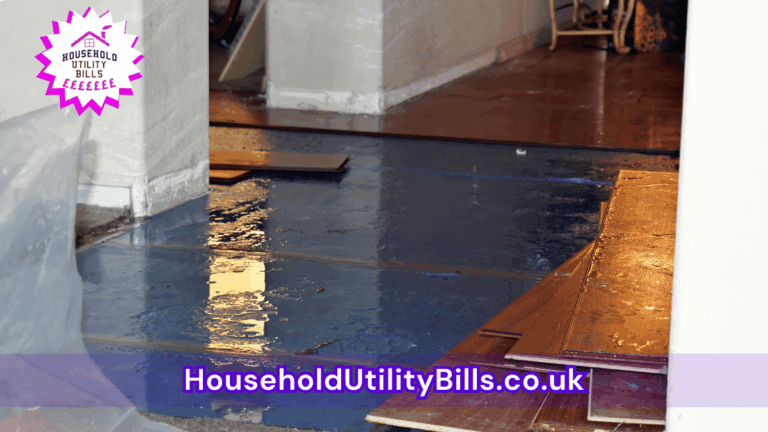

Gradual damage exclusion can significantly affect your household bills, as it often leads to unexpected costs when you need repairs. Home insurance policies frequently include clauses that limit or remove coverage for damage that occurs gradually over time. This means that if you don’t take preventative measures, your financial burden may increase if a problem goes unaddressed.
To avoid issues related to gradual damage exclusion, you should regularly inspect your home for signs of wear and tear, such as leaks or dampness. Keeping your property well-maintained can lead to lower repair costs and fewer challenges when filing claims. By staying proactive, you protect your finances and ensure a smoother experience with your insurance provider.
Understanding gradual damage exclusion is crucial for homeowners in the UK. Many people mistakenly believe that all damage is insured, leading to unexpected costs when claims are denied. When you know the exclusions in your policy, you can make informed decisions on maintenance and reporting issues early, ultimately saving money and hassle.
1. gradual damage exclusion: what it means for your insurance claims
Gradual damage exclusion in your home insurance means that claims for damage occurring slowly over time are often not covered. Common examples include dampness from leaks, wear on roofs, or deterioration of plumbing systems. Many homeowners assume that their insurance will cover these issues, but they may find themselves facing hefty bills when claims are denied. Therefore, knowing what your policy states about gradual damage can save you from unexpected financial hardship.
2. gradual damage exclusion: common misunderstandings
A prevalent misunderstanding is that any water damage is covered under standard home insurance policies. However, many policies specifically exclude damage caused by leaks that develop slowly, such as from aging pipes or roofing materials. This exclusion can lead to disputes when you try to claim, especially if the damage worsens over time. Remember, insurers want to limit their payouts, so if you don’t report issues promptly, it may jeopardise your coverage entirely.
3. gradual damage exclusion: maintaining your home to avoid costs
To prevent issues related to gradual damage exclusion, it’s essential to regularly maintain your property. Here are some practical steps you can take:
- Check for any signs of leaks in bathrooms and kitchens, and address them immediately to prevent further damage.
- Inspect your roof and gutters at least twice a year to clear debris and repair any missing tiles or slates.
- Look for damp patches on walls, particularly in older homes, and take action before it spreads.
- Keep an inventory of maintenance actions taken and any repairs made, which can help when discussing claims with your insurer.
- Consider professional inspections annually to identify areas at risk for gradual damage; it may save you money long-term.
4. gradual damage exclusion: the implications for your household budget
Failing to grasp the concept of gradual damage exclusion could lead to a significant impact on your household budget. Costs can spiral if you find yourself having to cover repairs that you believed would be insured. This could affect not only your immediate finances but also your long-term budgeting and savings goals. Understanding which repairs you need to cover out of pocket fosters better financial planning.
- Preparing For Winter Insurance: How Weather Damage May Impact Your Home Coverage
- Avoiding Unexpected Costs: Does Insurance Cover Escape Of Water Damage?
- How Snow Damage Roof Insurance Claims Affect Your Finances: Prepare For Potential Costs
- Insulating Older Homes Guide: A Complete Household Strategy For Energy Efficiency
- Solar Batteries Explained: Why This Investment Could Lower Your Energy Bills Significantly
People Also Ask…
How can I check for gradual damage in my home?
You can check for gradual damage by conducting regular inspections, looking for signs of leaks, damp patches, and material deterioration.
What should I do if I find signs of gradual damage?
If you find signs of gradual damage, act quickly to repair the issue and document your findings. Contact a professional if necessary.
Why is gradual damage exclusion important to understand when buying insurance?
Understanding gradual damage exclusion is crucial when buying insurance because it helps you choose the right policy and avoid costly surprises later.
Can I appeal an insurance claim denial due to gradual damage exclusion?
Yes, you can appeal an insurance claim denial, but it typically requires substantial evidence that the damage was sudden, not gradual.
Is gradual damage common in older UK homes?
Yes, gradual damage is more common in older UK homes, which may have aging plumbing, roofs, and structural issues that develop over time.