The home energy transformation guide offers you the chance to rethink how your household uses energy. With rising costs and environmental concerns, many families are looking for ways to make their homes more energy-efficient. However, navigating this change can feel overwhelming, especially when faced with differing advice and options.
In real homes, people often struggle to shift their energy habits. Many may install a new boiler or switch to LED bulbs, yet still see little change in their energy bills or carbon footprint. This frustration can lead to a sense of hopelessness, where families feel they are doing the right thing but not reaping the rewards.
The repeated cycle of trying new solutions often continues because the underlying systems of energy use and home efficiency are complex. Without a clear understanding of how these systems interplay, it’s easy to miss opportunities, leading to wasted time and money on ineffective solutions.
- UK Cost Of Living Crisis – Easy, Cost-Saving Solutions To Millions Of UK Households Paying More For Energy
- Energy Efficient Heating Planning: A Complete Household Guide To Cost-Effective Solutions
- List Of UK Rising Household Bills And How You Can Manage The Costs
- How To Maintain Homes During Busy Periods: Costs, Causes, And Practical Solutions
- How Insurers Verify Claims: Key Insights For Homeowners
1. Understanding Home Energy Systems
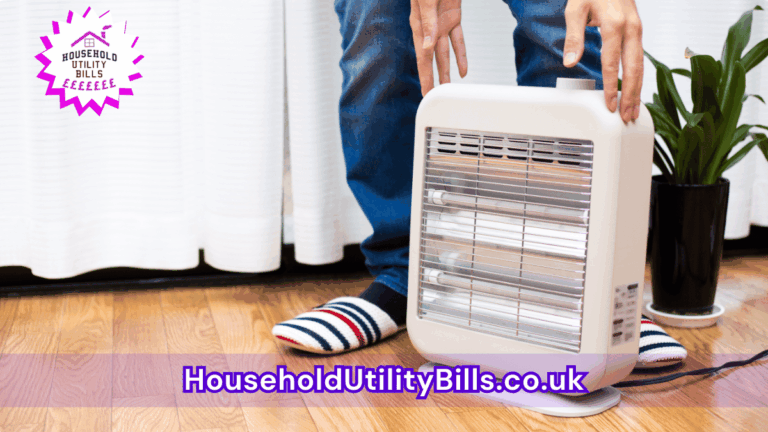
Home energy systems include everything from heating and cooling to lighting and appliances. Each part of the system plays a role in your overall energy consumption. Understanding how these components work together can empower you to make better choices. For example, heating accounts for around 40% of a house’s energy use. If you have an old boiler, investing in a newer model could provide significant savings.
Energy is often wasted due to inefficiencies in these systems. Poor insulation can lead to heat loss in winter, while inadequate cooling systems may struggle to keep your home comfortable in summer. By regularly maintaining your systems, you can ensure they operate at peak efficiency, reducing energy costs and improving your home’s comfort.
2. Common Misunderstandings About Energy Efficiency
Many people assume that all energy-efficient appliances are expensive, but this isn’t always the case. While high-efficiency models may have a higher upfront cost, they often lead to savings over time. Understanding the long-term benefits can shift your focus from initial costs to overall savings.
Another misconception is that small changes have little impact. In reality, simple actions, like switching to energy-efficient bulbs or unplugging devices when not in use, can accumulate to substantial savings. Each small step matters in the broader vision of sustainability.
3. The Costs and Trade-Offs of Energy Upgrades
Investing in new technology or home improvements can feel daunting, especially when facing a tight budget. However, it’s essential to weigh the upfront costs against the potential savings. High-efficiency appliances and proper insulation not only cut energy bills but also may increase your home’s value.
Sometimes, the trade-offs aren’t just financial. Upgrading your home leads to a more comfortable living environment, reducing stress and improving quality of life. Understanding these trade-offs can help you view energy transformation as an investment rather than a burden.
4. Realistic Household Decisions for Energy Reduction
Making informed decisions about energy use begins with assessing your current situation. Start by conducting an energy audit of your home. This can highlight key areas where you waste energy, allowing you to prioritise your investments for maximum impact. You might find that just adding insulation or sealing drafts saves you money without needing more extensive upgrades.
Another practical step is to monitor your energy consumption regularly. Many providers offer apps that allow you to track usage patterns, helping identify peak periods where energy savings can be made. With this information, you can make conscious choices about when to run large appliances like dishwashers or washing machines.
5. The Future of Home Energy: Trends and Opportunities
The future of home energy is evolving, with innovations such as smart home technology and renewable energy systems becoming more common. Smart thermostats, for example, learn your routines and adjust temperatures automatically, which can lead to significant savings.
Solar panels also present a long-term investment opportunity. Despite the upfront costs, they allow you to generate your own electricity and sell any surplus back to the grid. This can ultimately lead to a reduction in your overall energy costs, becoming a source of income over time.
6. Building a Long-Term Energy Strategy
Establishing a long-term energy strategy starts with setting realistic goals. Aim for incremental improvements rather than trying to overhaul everything at once. Consider integrating energy-efficient upgrades into your home renovation plans when it’s time for updates.
Engagement with your local energy provider for available programmes can also guide your next steps. Many companies offer incentives for energy efficiency improvements, making your upgrades more affordable.
7. The Home Energy Transformation Guide in Action
The home energy transformation guide provides a structured approach to making sustainable changes. With the correct knowledge, you can embark on a journey to reduce your reliance on non-renewable sources and create a healthier living environment.
Implementing even small changes can spark motivation for larger efforts, fostering a culture of sustainability within your household. This can include involving family members in energy discussions to encourage everyone to contribute ideas and solutions.
8. Seeking Professional Help
Sometimes, making energy-efficient upgrades alone can be intimidating. Consulting with professionals can be beneficial. Energy consultants can provide tailored advice and identify specific opportunities unique to your home. This ensures that you’re not only making cost-effective decisions but also ones that enhance comfort and sustainability.
People Also Ask…
How can I start making my home more energy-efficient?
To begin, evaluate your current energy usage and identify areas of improvement, such as adding insulation or switching to energy-efficient lighting.
What are the benefits of solar panels?
Solar panels can significantly reduce your energy bills, increase your home’s value, and provide a renewable energy source for your household.
Why is insulation important for energy efficiency?
Insulation helps keep heat inside during winter and outside during summer, reducing the need for heating and cooling and lowering your energy costs.
Can small changes really make a difference in energy bills?
Yes, small changes like using energy-efficient bulbs or unplugging electronics when not in use can add up to substantial savings over time.
Should I invest in smart home technology for energy savings?
Investing in smart home technology can lead to significant energy savings by optimising energy use based on your habits and preferences.
When is the best time to carry out energy upgrades?
The best time for energy upgrades is during home renovations or when replacing old appliances, as it can help maximise your budget and impact.
What common mistakes should I avoid when improving energy efficiency?
Avoid assuming that all energy-efficient products are expensive; assess long-term savings and consider small steps to make gradual changes.
Is it worth hiring a professional for an energy audit?
Yes, hiring a professional for an energy audit can provide tailored recommendations and identify specific areas for improvement in your home.