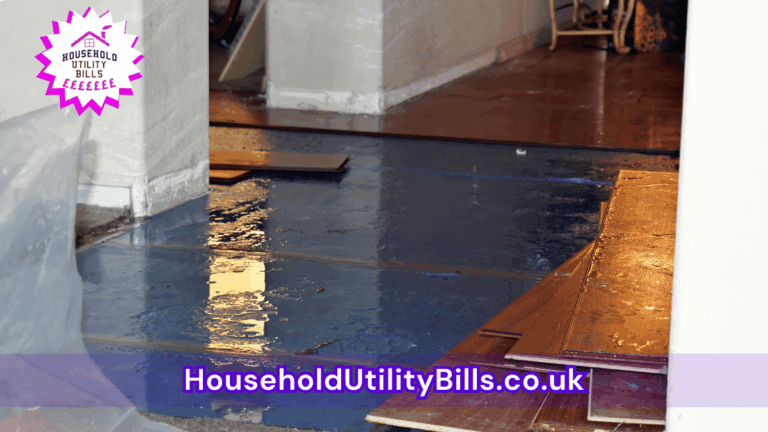

A pipe burst in loft insulation can lead to significant damage in your home. Addressing this issue promptly is crucial to prevent extensive repairs and ongoing costs. Stopping the problem early could save you a fortune on bills and safeguard the value of your property.
If you suspect a pipe has burst, you should first shut off the water supply to prevent further leakage and assess the situation. You may need to get in touch with a plumber to assess the damage and begin repairs. Taking immediate action helps to limit the extent of damage and the costs involved.
This topic is relevant to you because unnoticed leaks can lead to mould, structural issues, and increased energy bills. A water-damaged home can diminish your property value significantly. Knowing how to handle a burst pipe correctly will help you protect your investment and keep your household running smoothly.
1. pipe burst in loft insulation: Understanding potential damage
When a pipe bursts in your loft insulation, the damage can escalate quickly. Many homeowners underestimate how fast water can spread and the long-term implications on structures and materials. Water can seep into insulation, causing it to lose its effectiveness, which may lead to higher heating bills as you struggle to maintain a comfortable temperature.
2. pipe burst in loft insulation: Common mistakes to avoid
A frequent misunderstanding is that a small leak is inconsequential. However, even minor leaks can be detrimental over time. Homeowners often fail to check their loft regularly, and by the time they notice issues, substantial damage may have already occurred. Ignoring visible signs, such as damp patches or sagging insulation, can result in costly repairs.
3. pipe burst in loft insulation: Preparing and preventing damage
To prevent serious issues, it’s wise to carry out regular checks. Insulating pipes can help reduce the risk of bursting in cold weather. Insulation should be thoroughly inspected to ensure it remains dry and in good condition. If you’re in an area prone to freezing temperatures, consider adding heating cables to vulnerable pipes.
- How Insurance Excess Structures Operate: A Complete Household Guide To Understanding Costs
- How Insurance Endorsements Modify Policies: A Complete Household Guide To Coverage Options
- Water Leak Detection Insurance: How It Can Save You From Costly Repairs
- Why Homes Become Harder To Maintain: Understanding Costs, Causes, And Practical Solutions
- What Happens When Insulation Payback Period Is Too Long: The Financial Impact On Your Household Budget
People Also Ask…
How can I detect a pipe burst in loft insulation?
You can often detect a pipe burst by checking for damp areas, unusual smells, or the presence of mould. Listen for sounds of water dripping or check your water meter for unexplained increases in usage.
What should I do if I find a burst pipe?
If you find a burst pipe, turn off the water supply immediately and contact a professional plumber to assess the damage and make repairs.
Why is it important to act quickly with a burst pipe?
Acting quickly is essential to minimise damage. Water can cause significant issues like mould growth and structural weakening if not addressed promptly.
Can I fix a burst pipe myself?
While minor leaks can sometimes be temporarily fixed, it’s advisable to contact a professional plumber for a proper assessment and repair to ensure safety and effectiveness.
Is insurance likely to cover damage from a burst pipe?
Most home insurance policies include coverage for water damage caused by burst pipes, but it’s important to check your specific policy details.