Last updated: 12 June 2026
1. heating myths: Common heating misconceptions that raise your bills
Heating myths can significantly inflate your household bills if left unchecked. Many people mistakenly believe that leaving their heating on low all day is cheaper than turning it on and off as needed. The reality is that constant heating tends to consume more energy, leading to higher costs.
To avoid unnecessary expenses, it’s best to use a programmable thermostat. This allows you to set specific times for your heating to come on and off based on your schedule. By doing so, you can ensure your home is warm when you need it but save energy at other times.
This topic is relevant to you because a simple change in your heating habits could lead to substantial savings. Ignoring these heating myths can not only cause your bills to spike but also affect your overall comfort during colder months.
2. heating myths: The truth about thermostat settings
One common misconception is that turning your thermostat up very high will heat your home more quickly. In reality, this will not speed up the heating but will cause your system to work harder and use more energy.
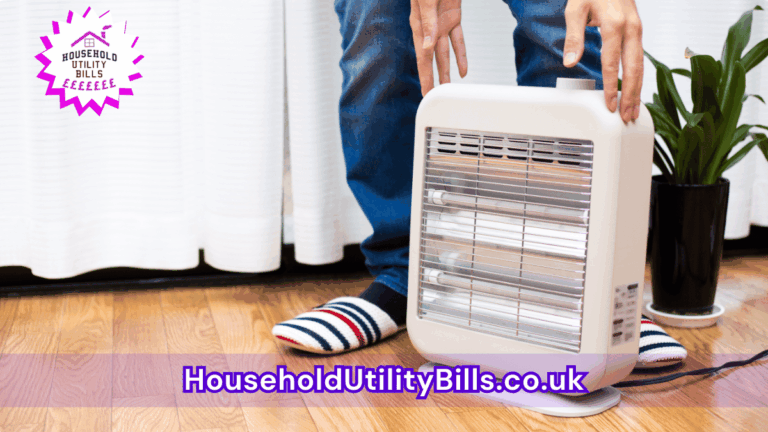
Instead, set your thermostat to a comfortable temperature, usually around 18-21°C (64-70°F). This is efficient and should keep your home warm without excessive costs. If you find certain rooms colder, consider using space heaters selectively, rather than cranking up the entire central heating system.
Understanding how to manage your thermostat can prevent needless increases in your energy bills. A small adjustment can lead to significant savings over time.
3. heating myths: The role of radiator valves in energy savings
Many assume that if they have thermostatic radiator valves (TRVs), they can simply leave their heating on without any further adjustments. However, TRVs only work efficiently if you set them appropriately in each room.
To optimise heating efficiency, ensure that each TRV is set according to the use of the room. For example, keep lower settings in bedrooms if you’re not using them much. This will help focus heating where it’s needed the most and prevent wasted energy.
This understanding will help you take control of your heating system, reducing excessive bills and making your home more comfortable without overspending.
- Ofgem Energy Price Rise: Why Your Bills Are Going Up Again And How A Review Can Lower Them
- Energy Efficient Windows – 5 Best Tips On How To Make Your Windows More Energy Efficient
- What To Do If My Gas Bills Are Higher Than Average
- 7 Best Kitchen Fire Safety Tips – How To Avoid Fire In The Kitchen
- Energy Efficient Wood Stove – Are Wood Stoves Energy Efficient?
People Also Ask…
How can I improve my home heating efficiency?
To improve heating efficiency, ensure your home is well insulated, use programmable thermostats, and regularly maintain your heating system.
What should I set my thermostat to for energy savings?
For energy savings, set your thermostat to around 18-21°C (64-70°F) during daily use, adjusting as needed based on occupancy.
Why is my heating bill so high?
A high heating bill can result from inefficient systems, poor insulation, or using heating settings based on heating myths without proper adjustments.
When is the best time to heat my home?
The best time to heat your home is when you’re present. Use timers or smart thermostats to heat it only when you need it.
Is it cheaper to leave heating on all day?
No, it’s typically cheaper to heat your home only when needed rather than leaving your heating on all day.